
Civil War Quinine Tin
$375.00
Description
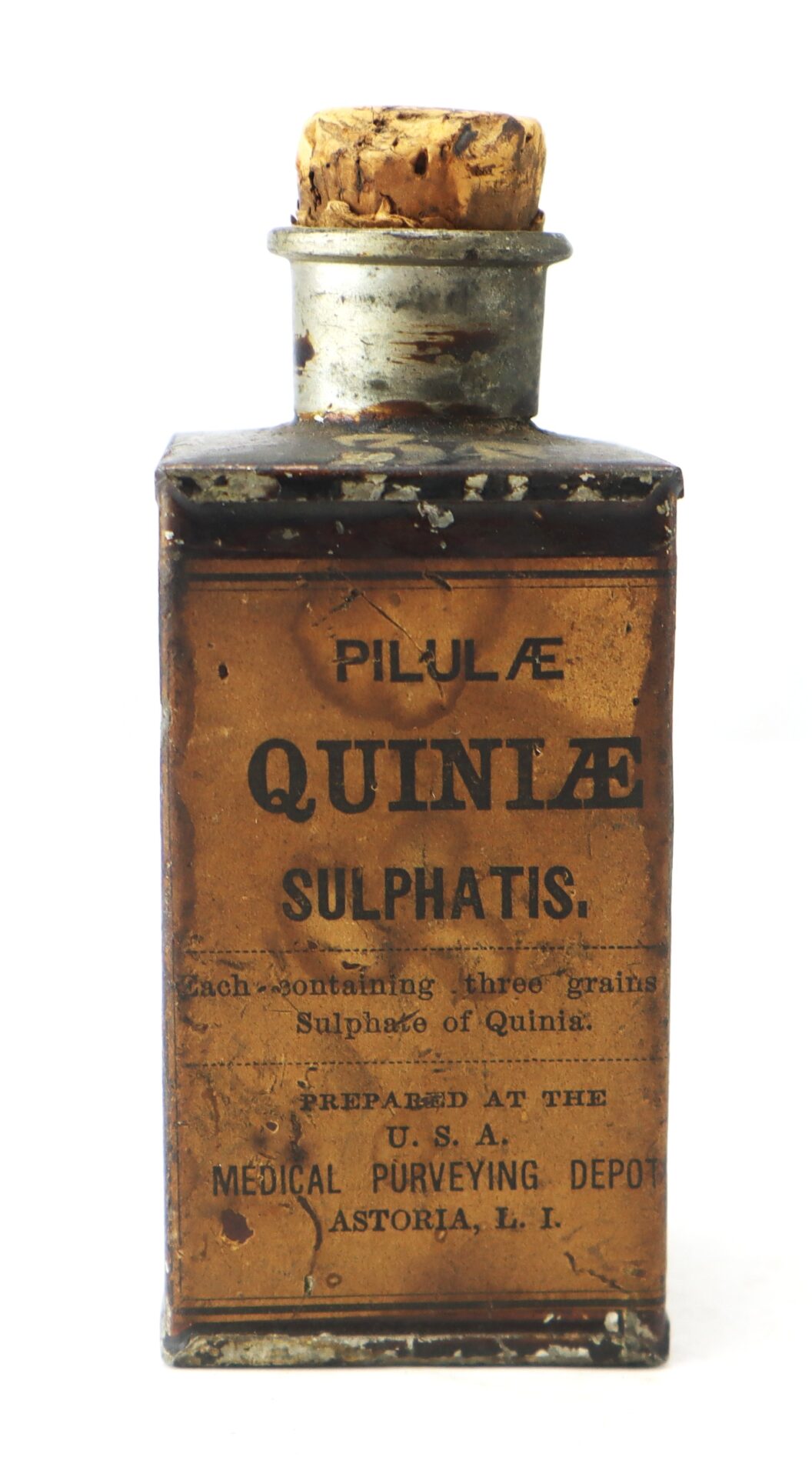
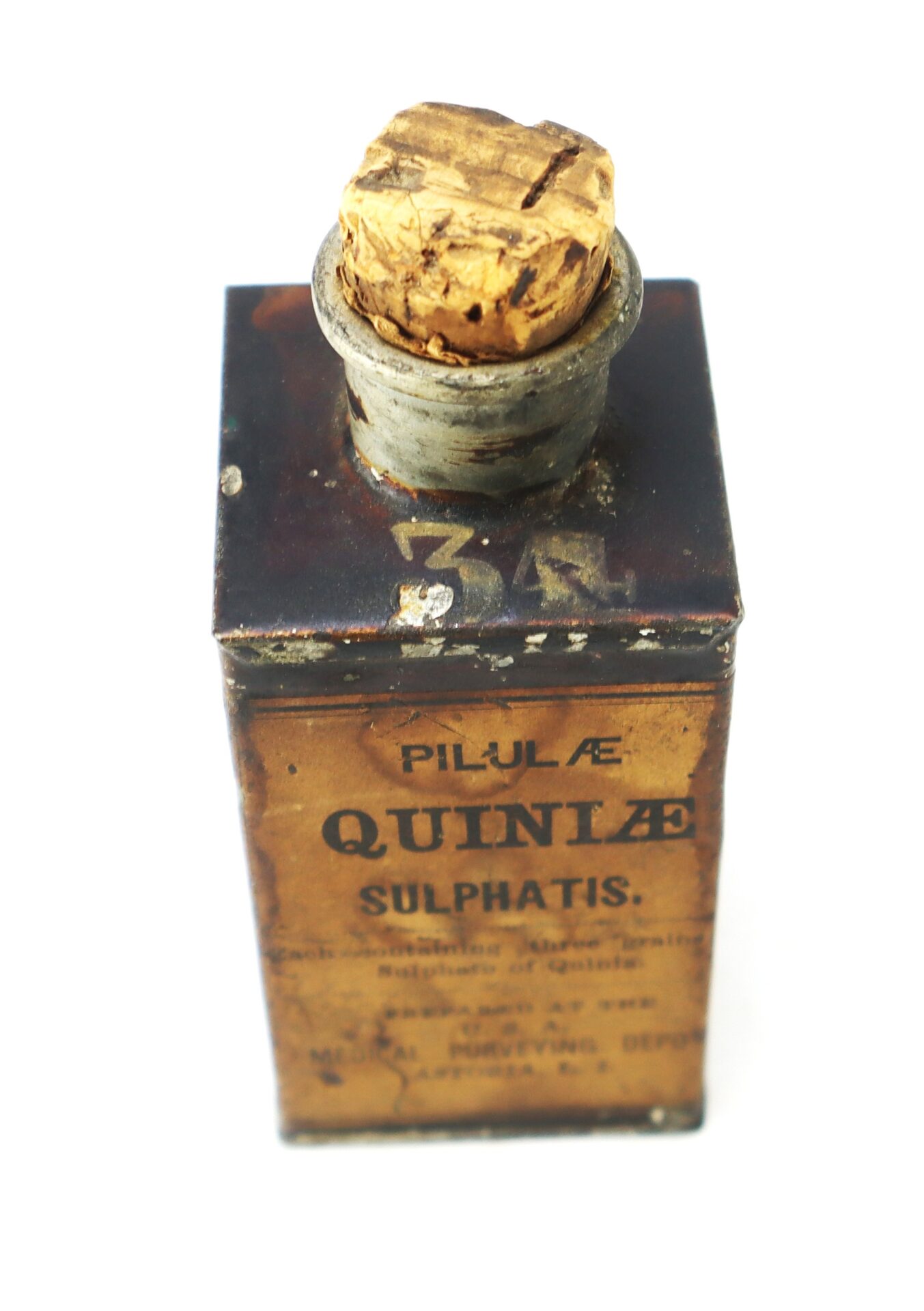
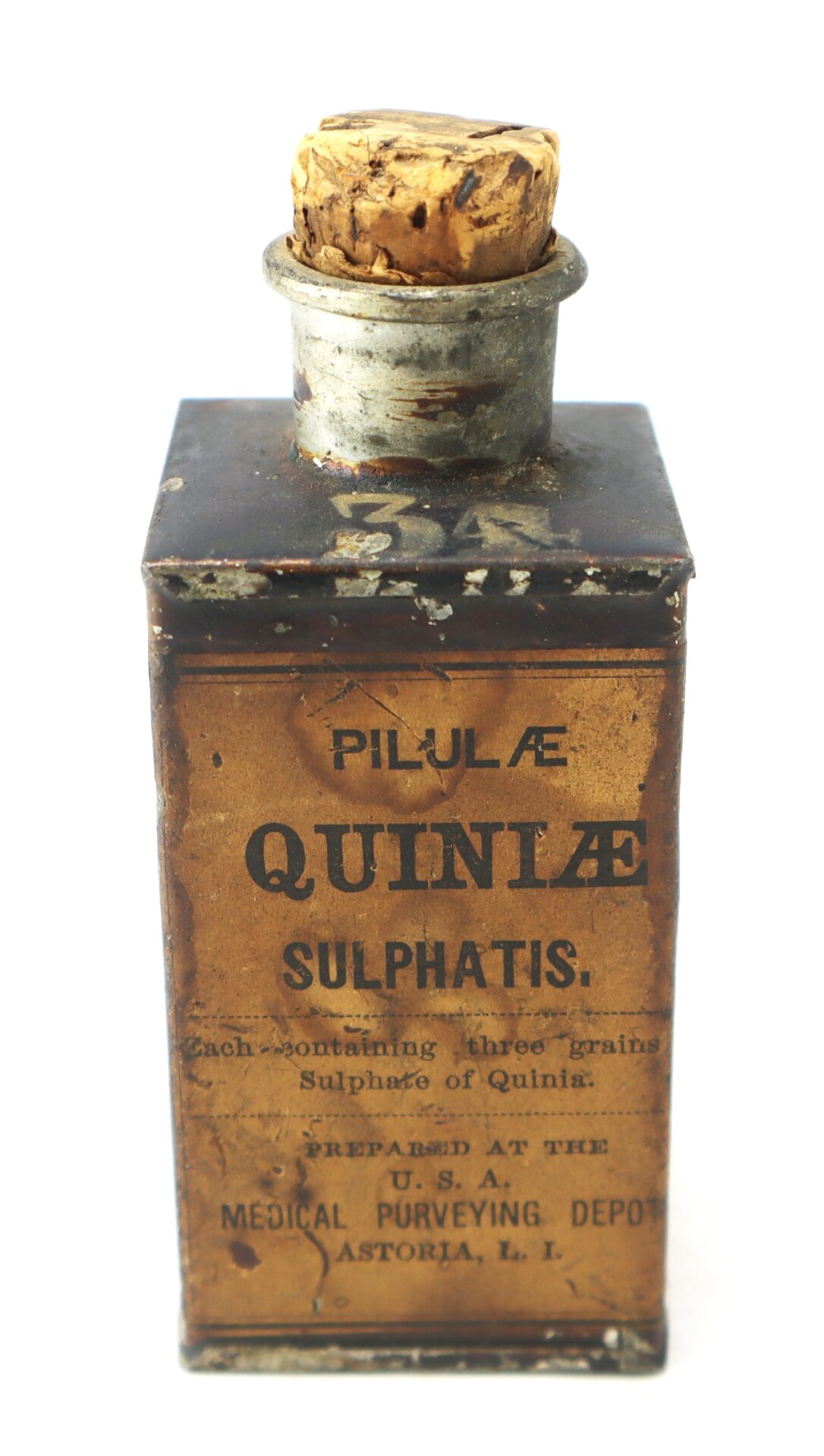
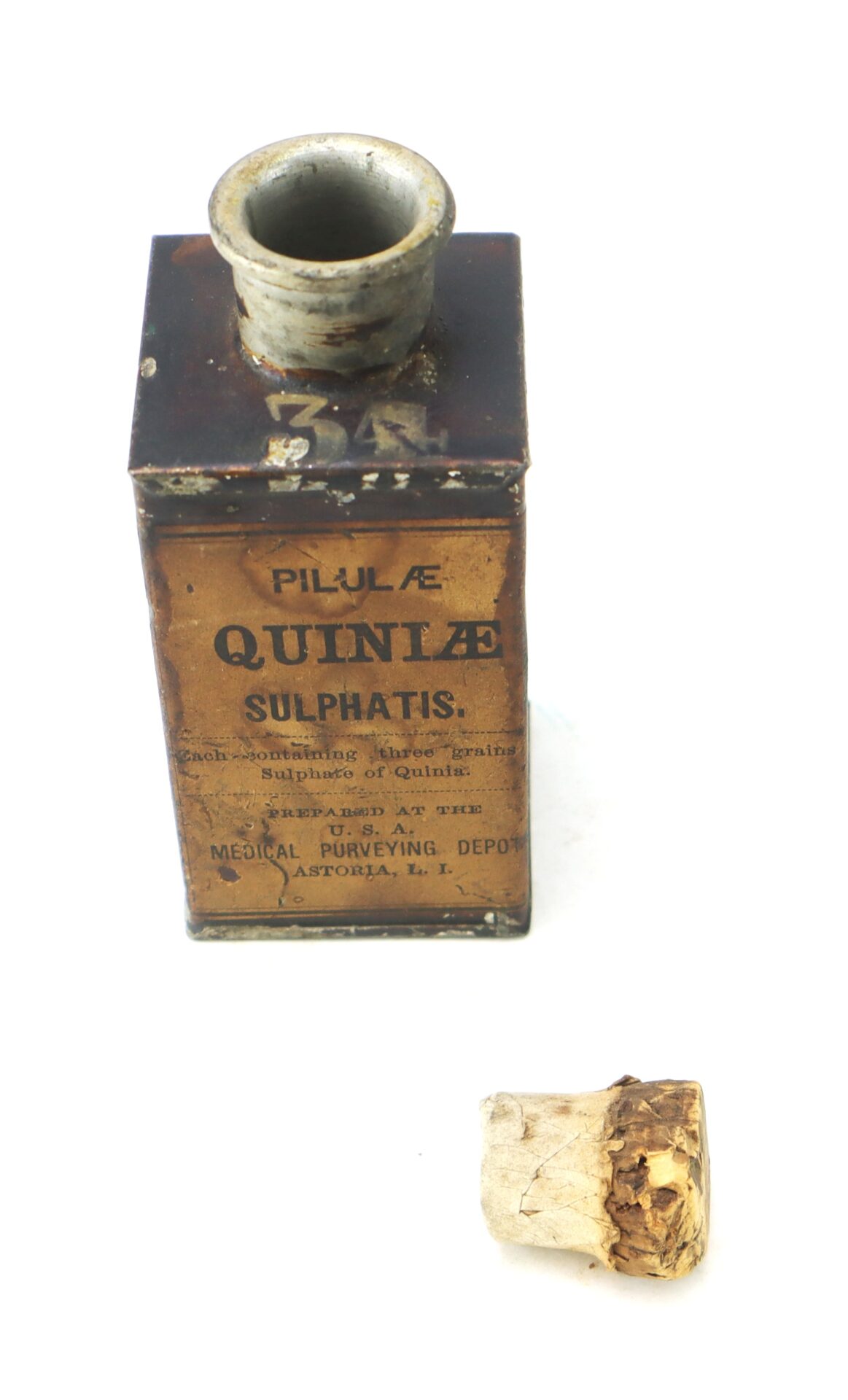
Civil War Quinine Tin
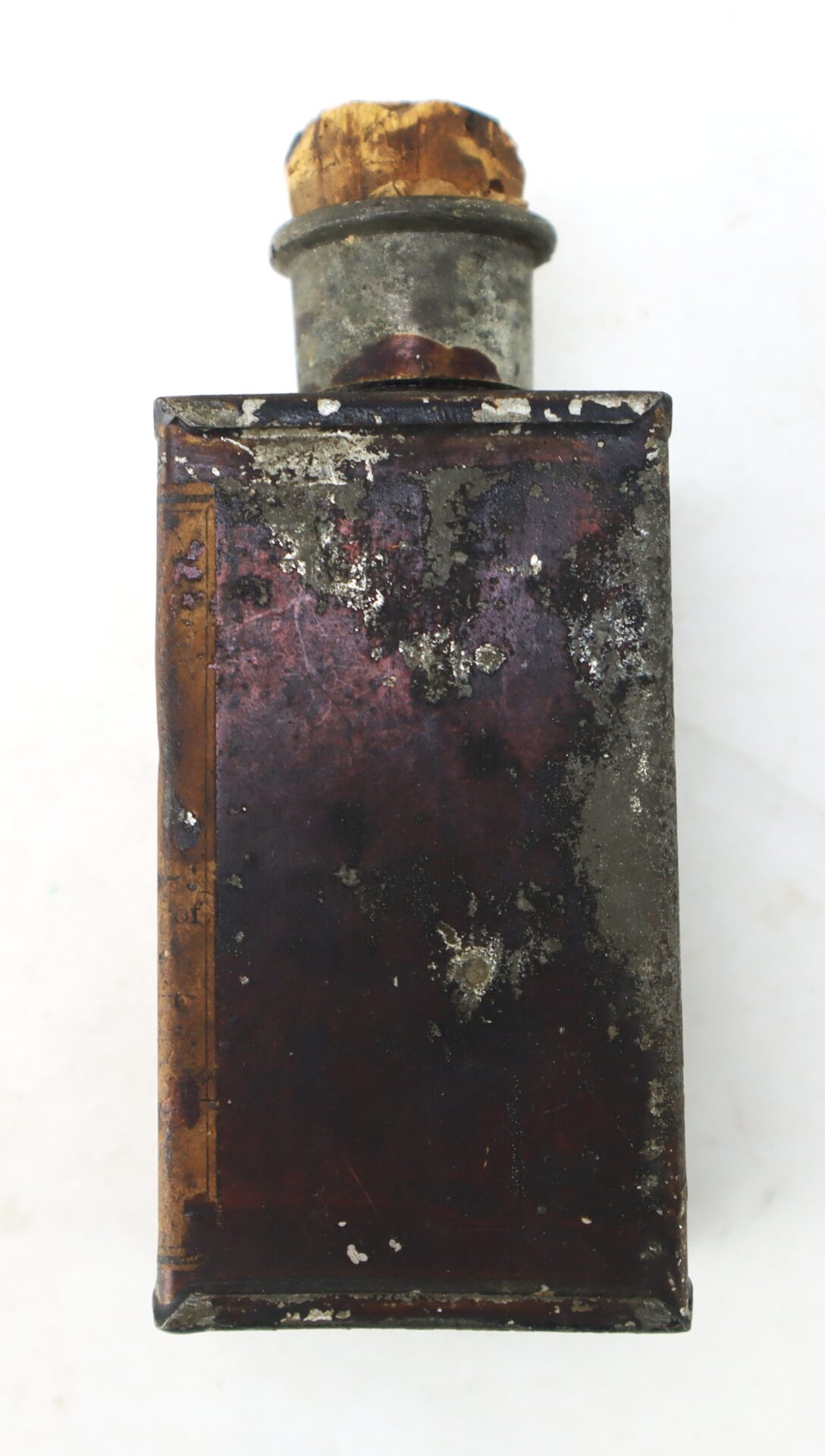
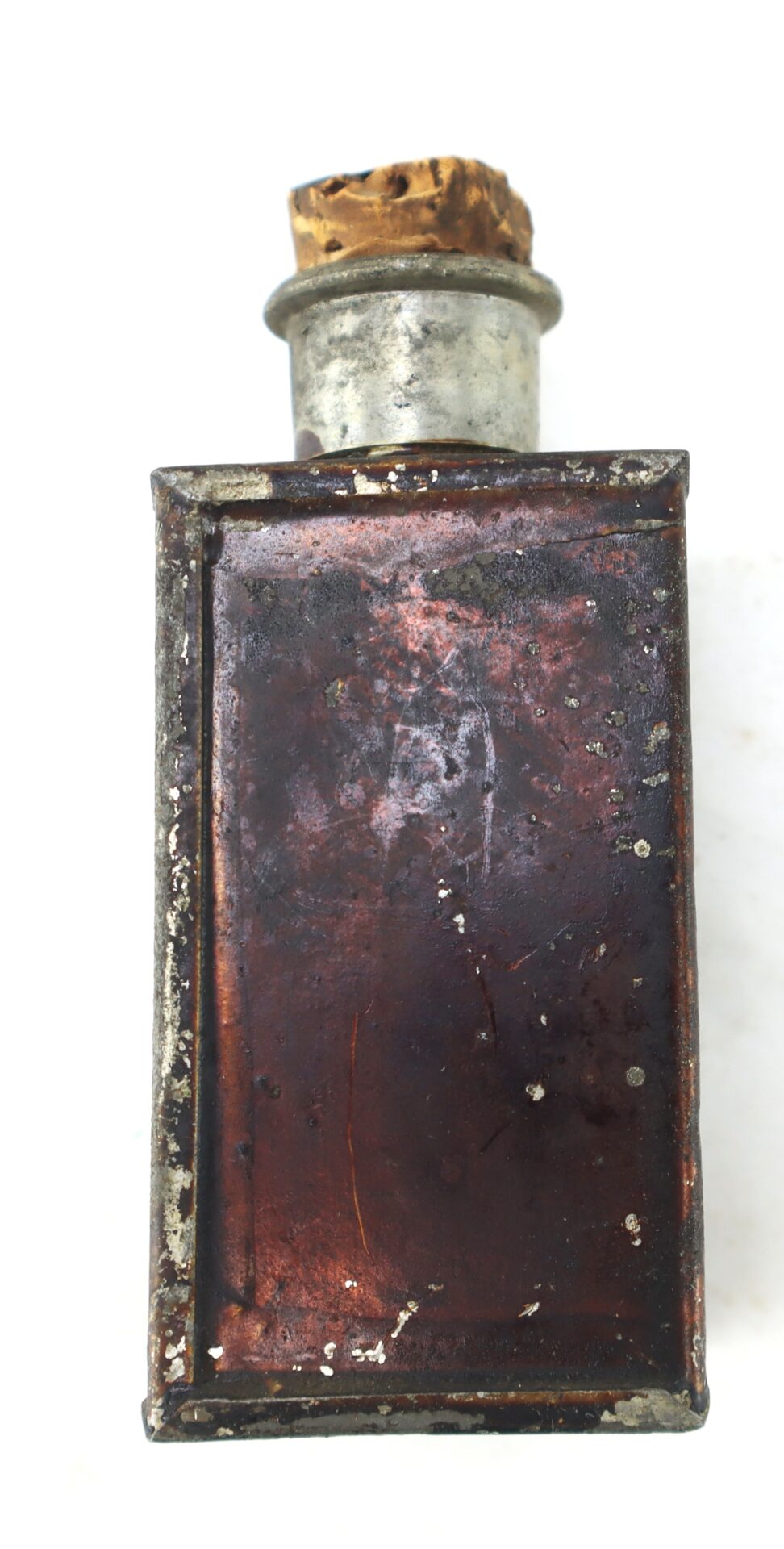
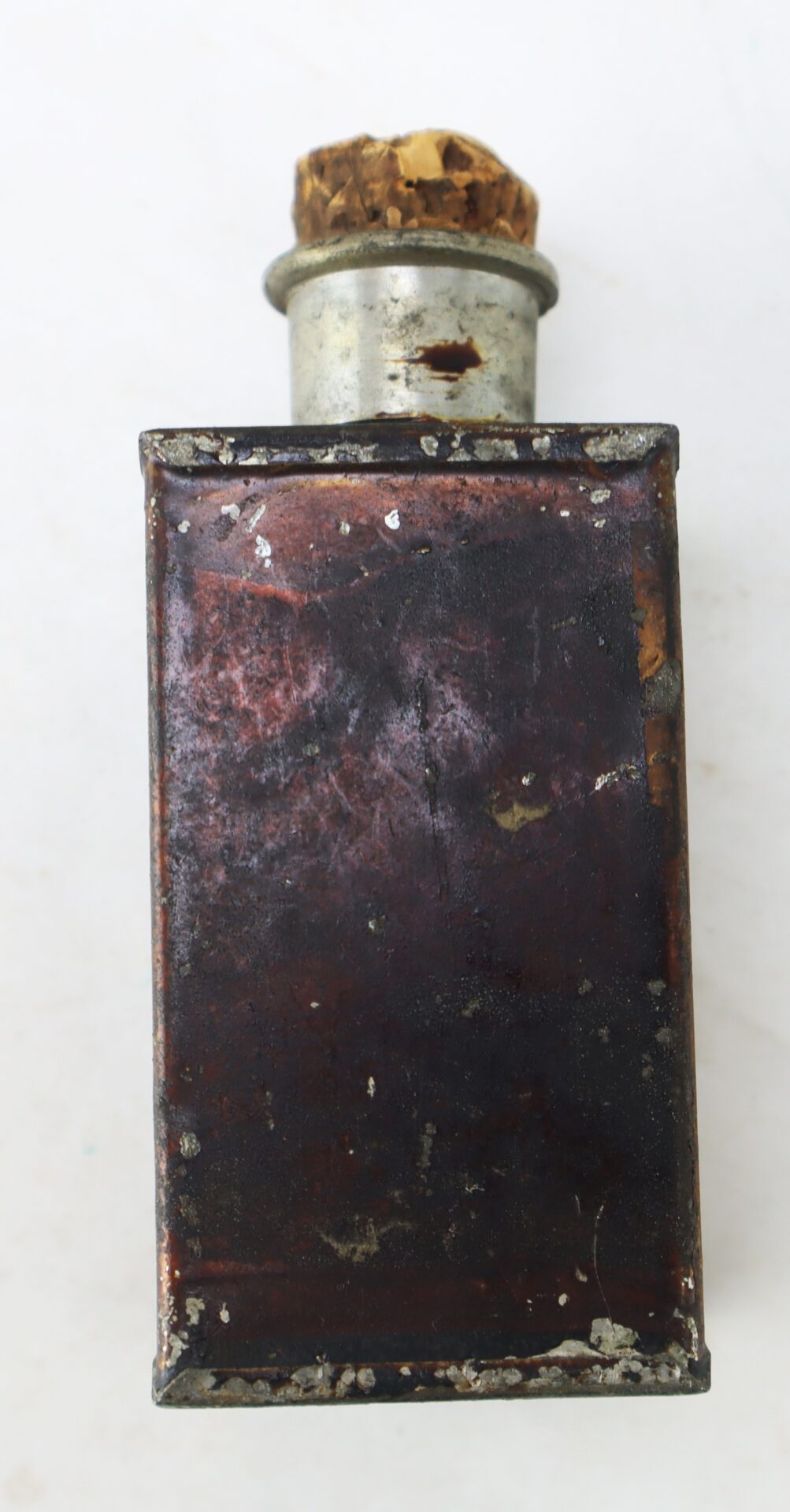
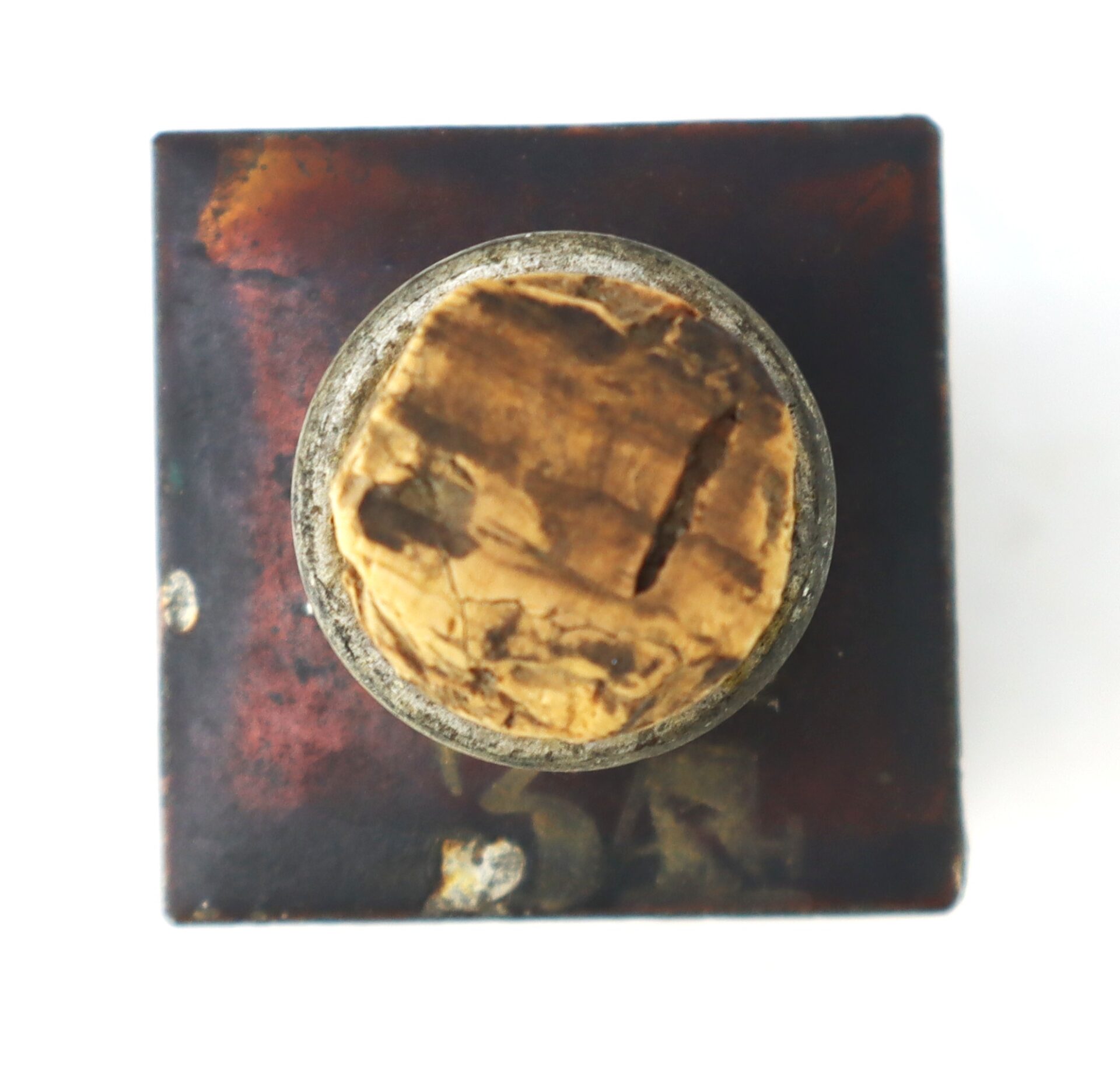
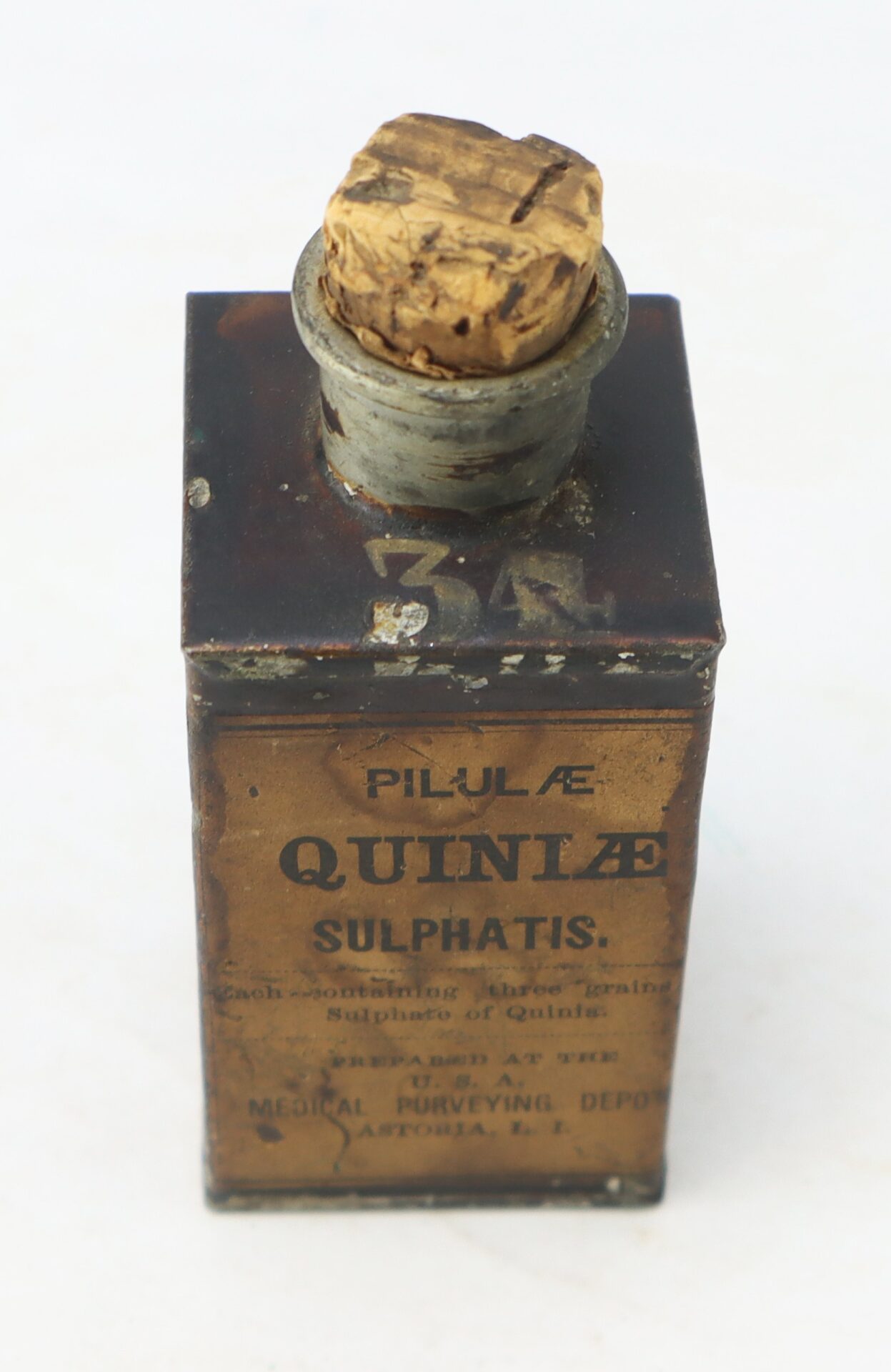
Excellent original example of a Civil War Quinine Tin Japanned tin 3 ¼” X 1 ½” with paper label stating that it was “Prepared at the U.S.A. Medical Purveying Depot Astoria L.I.”. Overall, in excellent condition with great label and strong finish. An essential for any medical collection.
Quinine
Quinine was one of the most critical medical supplies of the Civil War, serving as the primary treatment for malaria, which was one of the most widespread and debilitating diseases affecting soldiers—especially in the South and in low, swampy regions like the Mississippi Valley, the Carolinas, and coastal operations.
Derived from the bark of the South American cinchona tree, quinine was imported and relatively expensive, but absolutely indispensable. Union armies, with better naval control and supply infrastructure, generally had far greater access to quinine than Confederate forces. As a result, Union troops were better able to manage malaria outbreaks, while Confederate soldiers often suffered prolonged illness, reduced effectiveness, and higher rates of non-combat attrition.
The Confederacy attempted to substitute quinine with indigenous remedies—such as dogwood, willow, and other “homegrown” tonics—but these were far less effective. Shortages became so severe that quinine was sometimes reserved only for the most serious cases.
In the field, quinine was typically issued in powder form and taken mixed with water or whiskey—famously bitter, but lifesaving. It was distributed by surgeons and hospital stewards and became a staple in medical kits and hospital stores.
In short, quinine quietly played a decisive logistical and medical role in the war—keeping armies in the field and highlighting the stark contrast between Union and Confederate supply capabilities.
Inventory Number: MED 221
Related products
-

Mid-19th Century Historical Figural Flask – Washington/Taylor Portrait Flask
$250.00 Add to cart -
Civil War CDV of Major General Joseph Hooker – S.M. Fassett, Chicago
$125.00 Add to cart -
Cased Shoehorn and Button Hook of William “Extra Billy” Smith
$550.00 Add to cart -
Vote the Land of the Free Kansas Statehood Token
$395.00 Add to cart


Reviews
There are no reviews yet.