
- You cannot add that amount to the cart — we have 1 in stock and you already have 1 in your cart. View cart
Identified Civil War Surgical Manual Gross’s System of Surgery (1862) Springfield, Illinois – Home of Lincoln
$650.00
Description
Identified Civil War Surgical Manual
Gross’s System of Surgery (1862)
Springfield, Illinois – Home of Lincoln
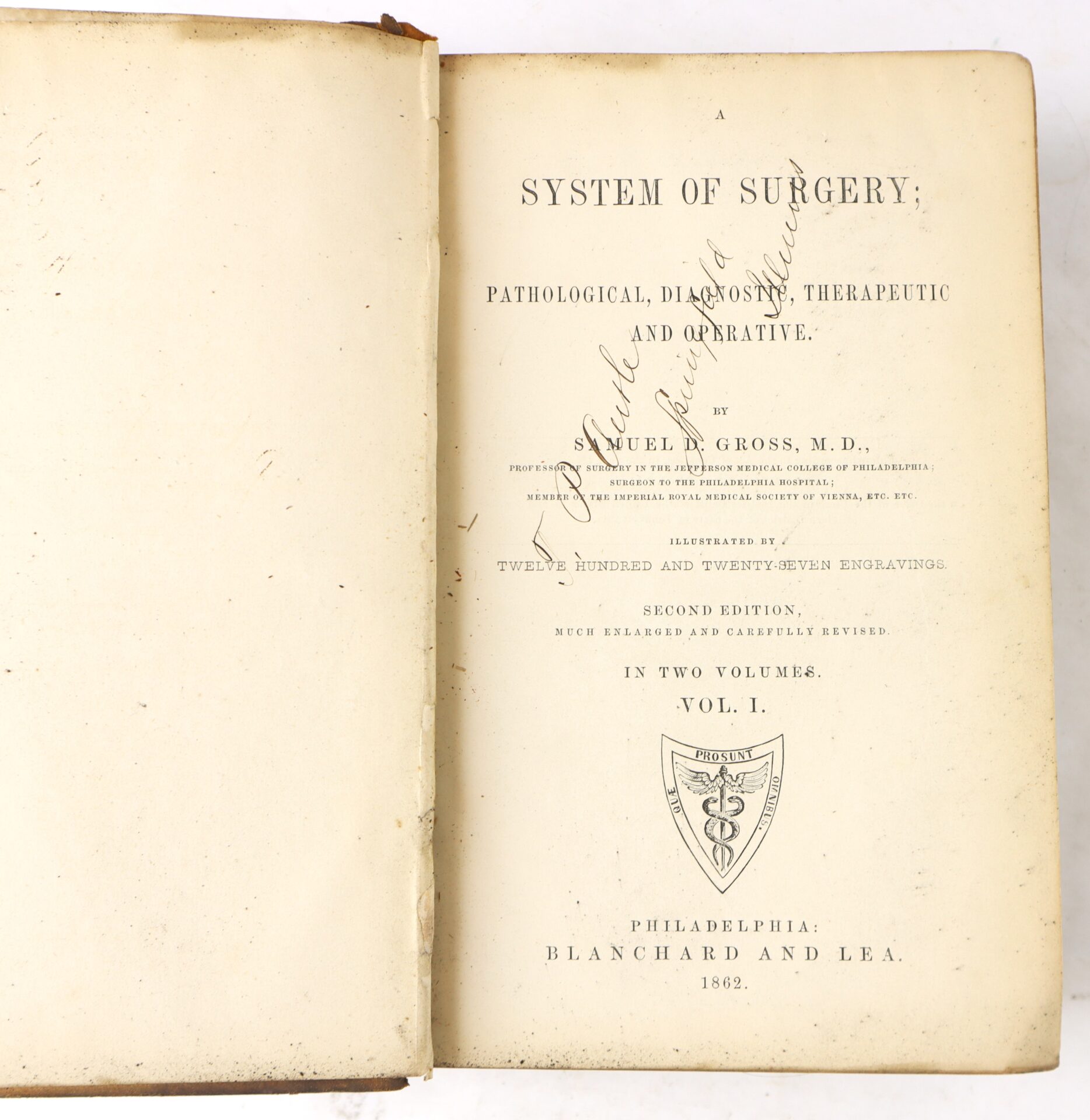
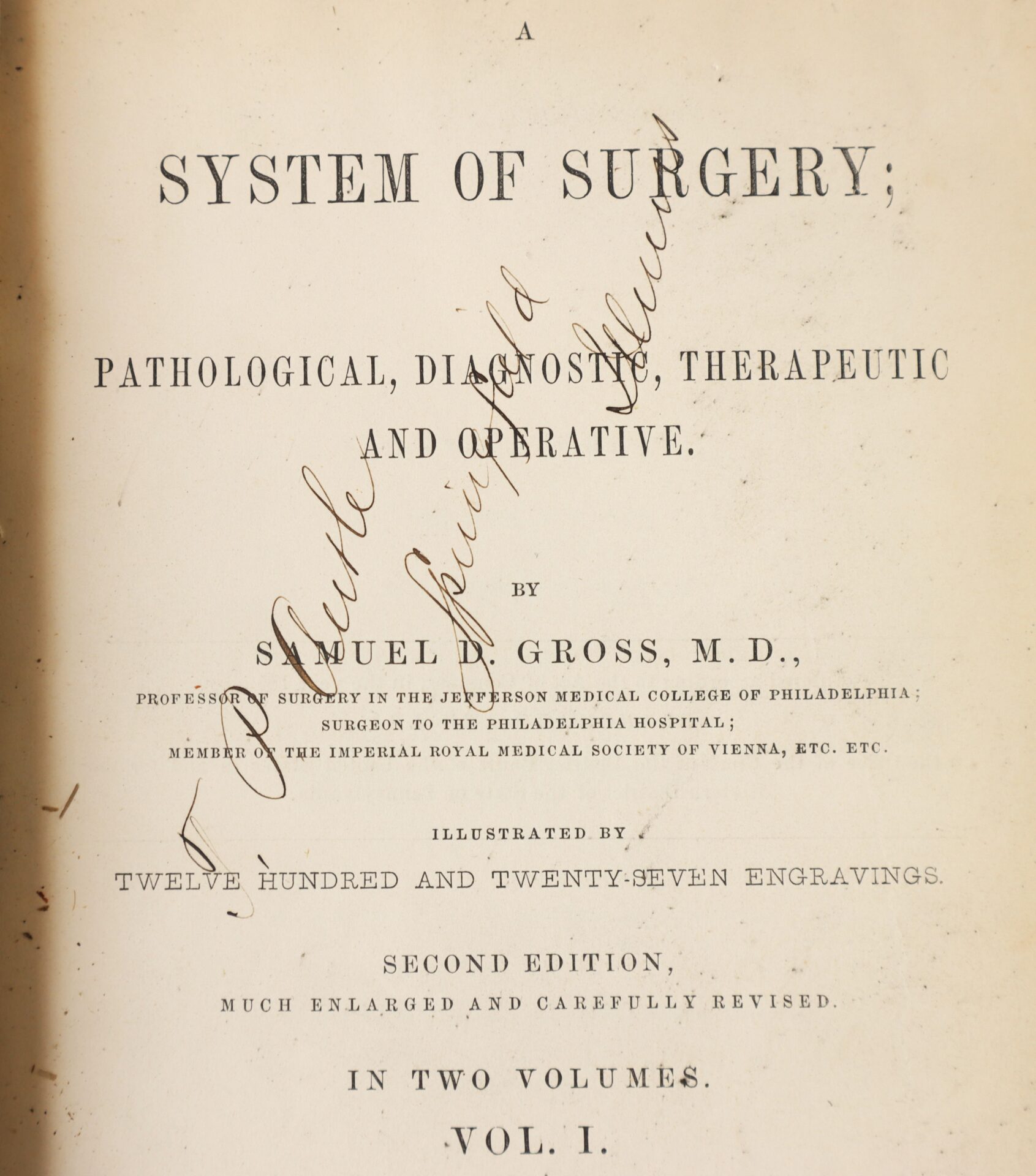
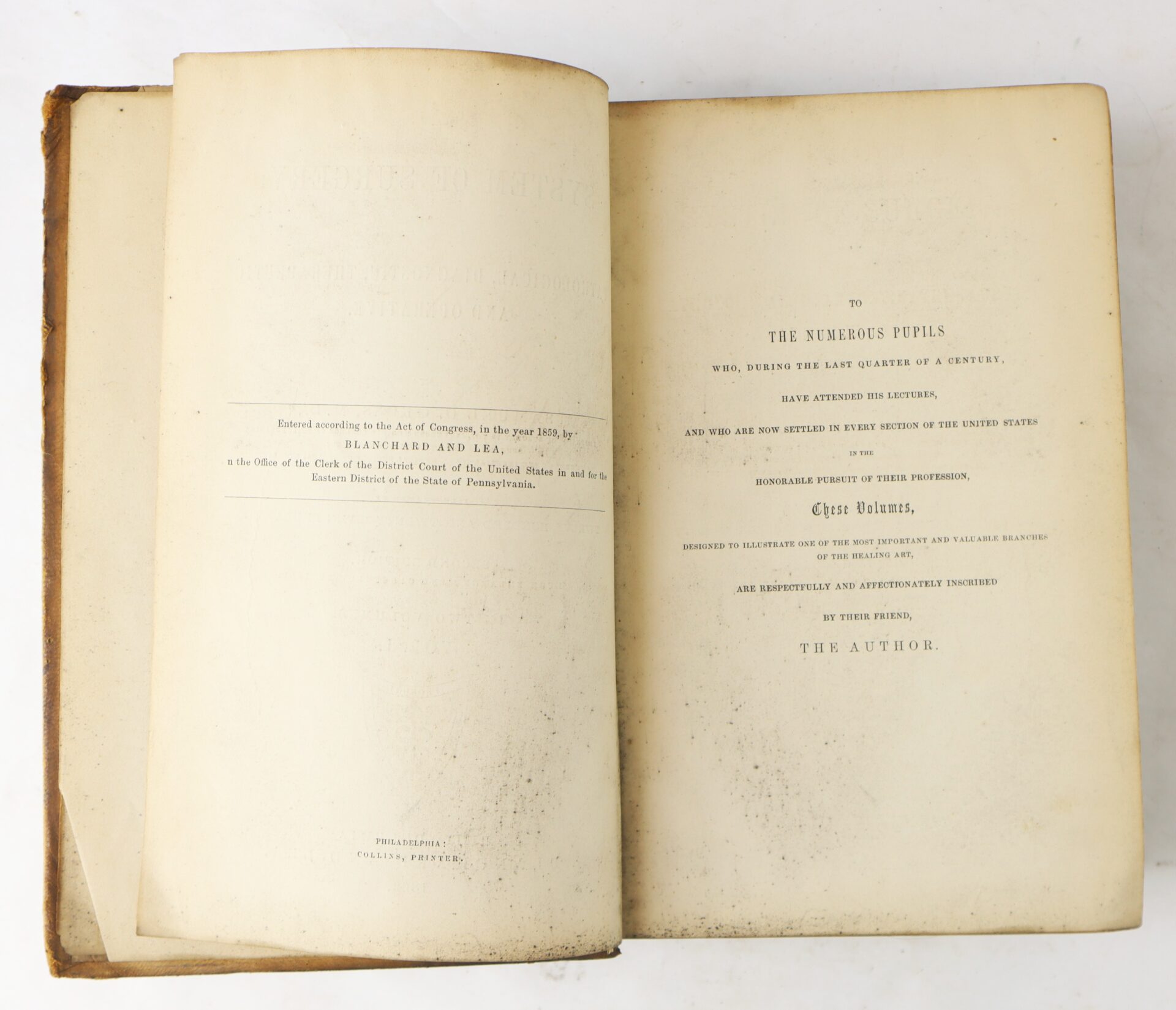
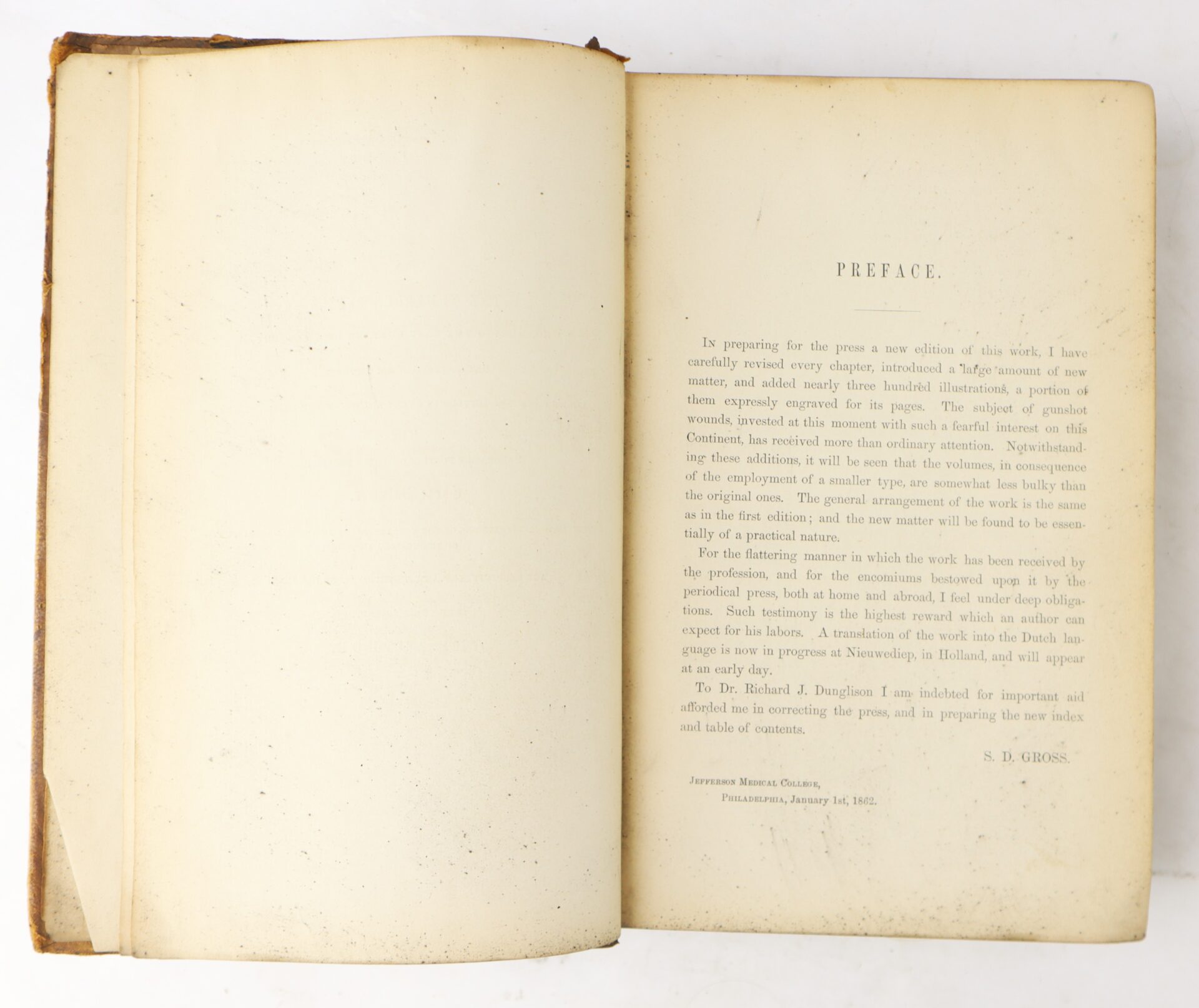
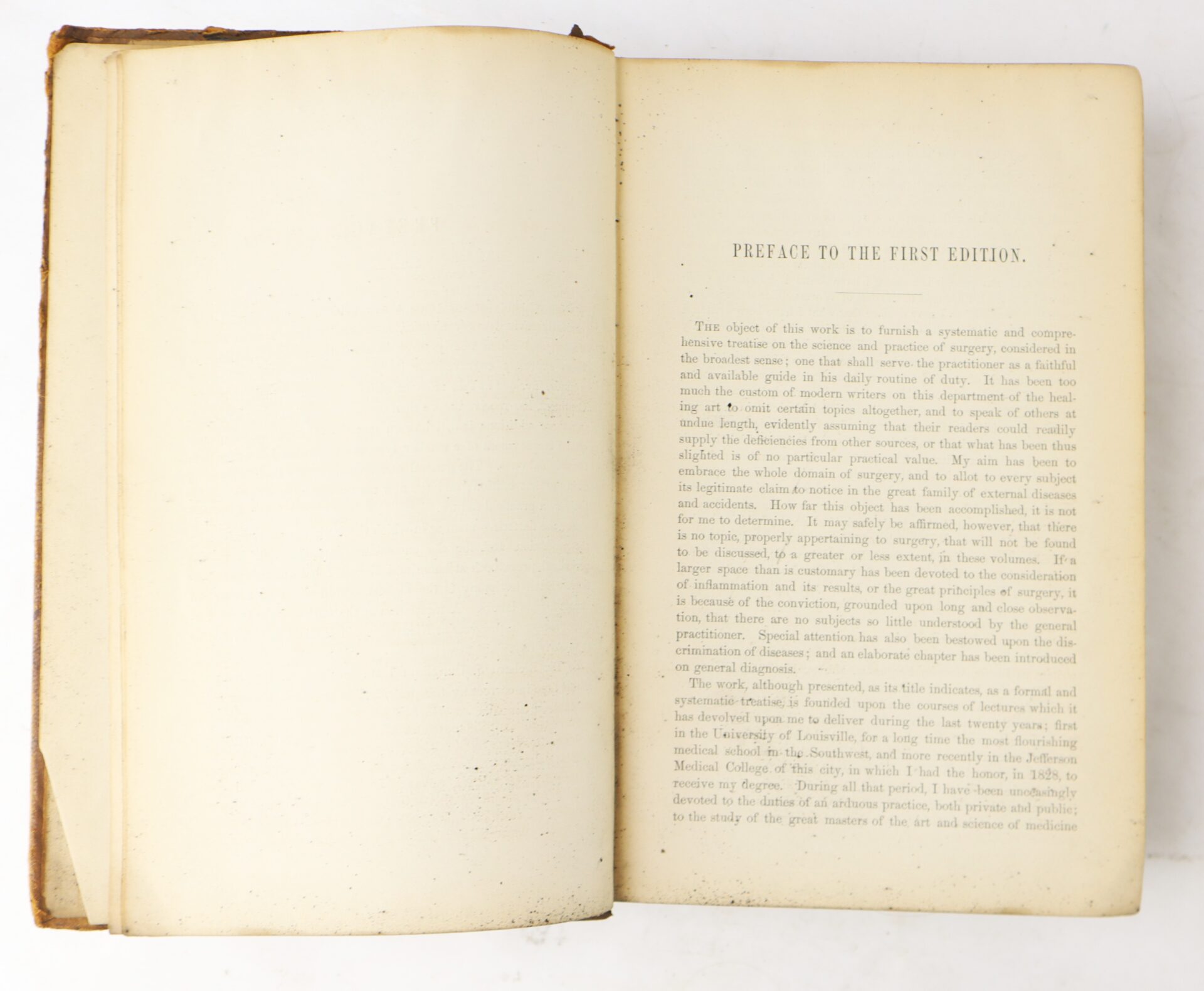
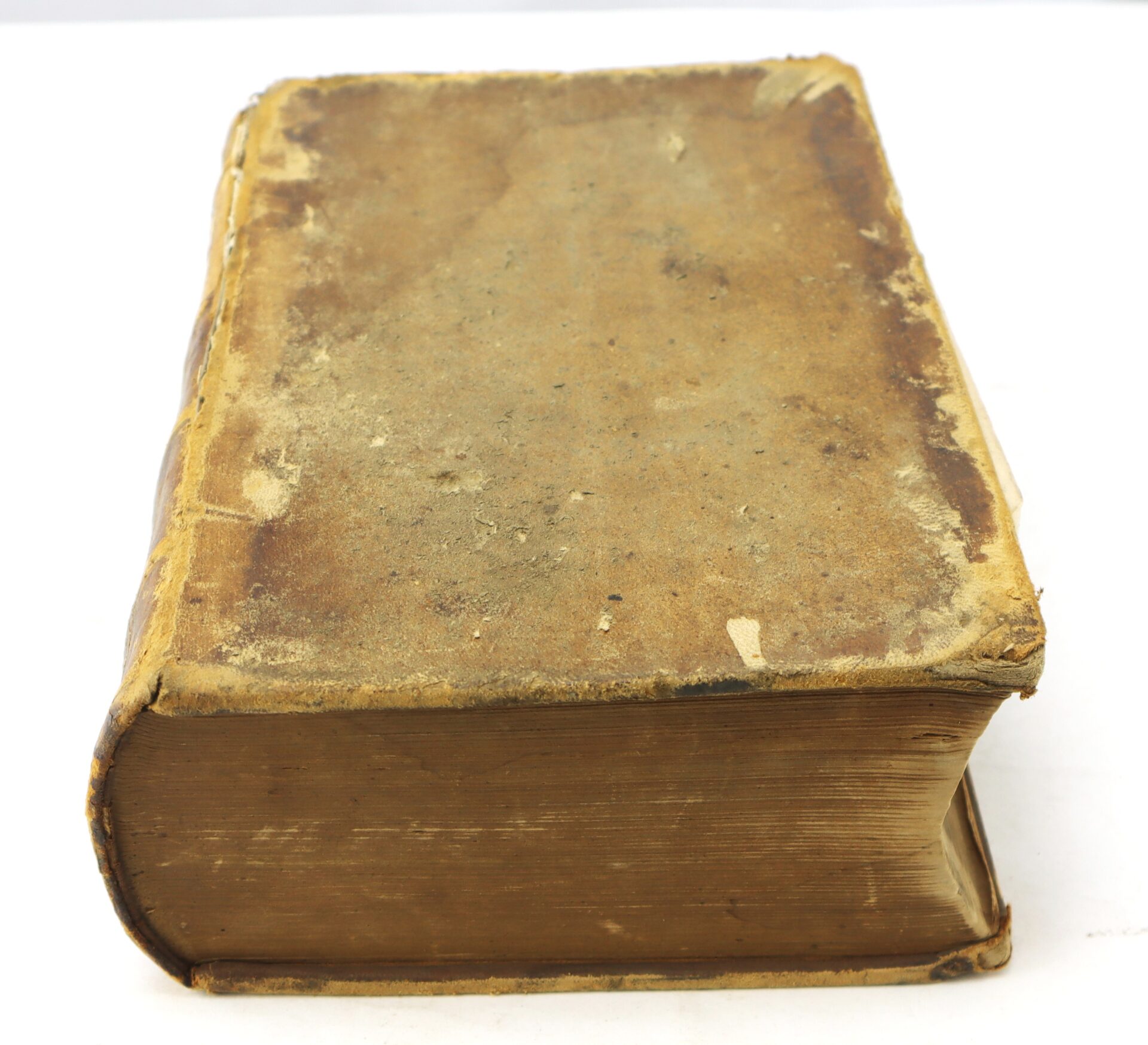
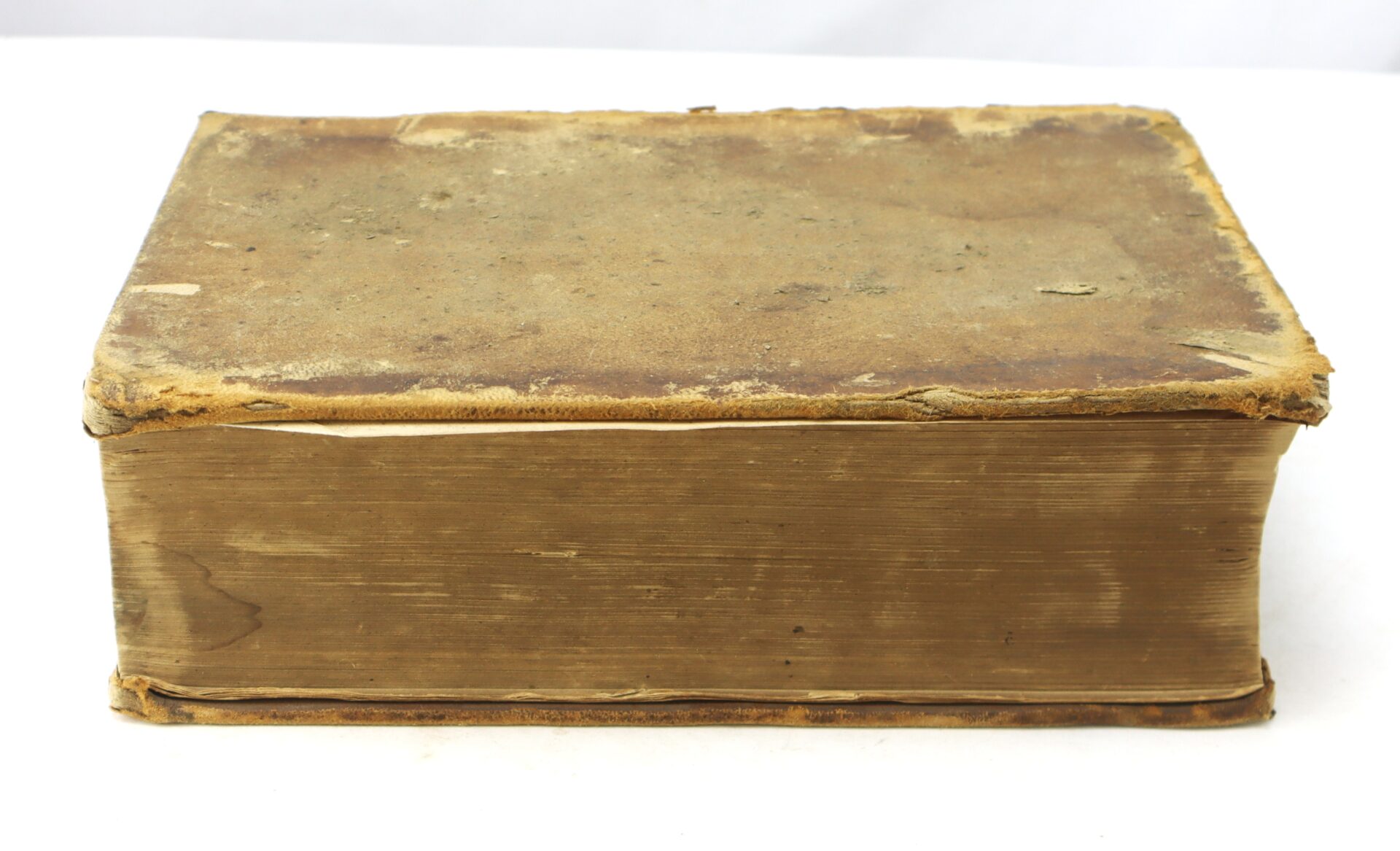
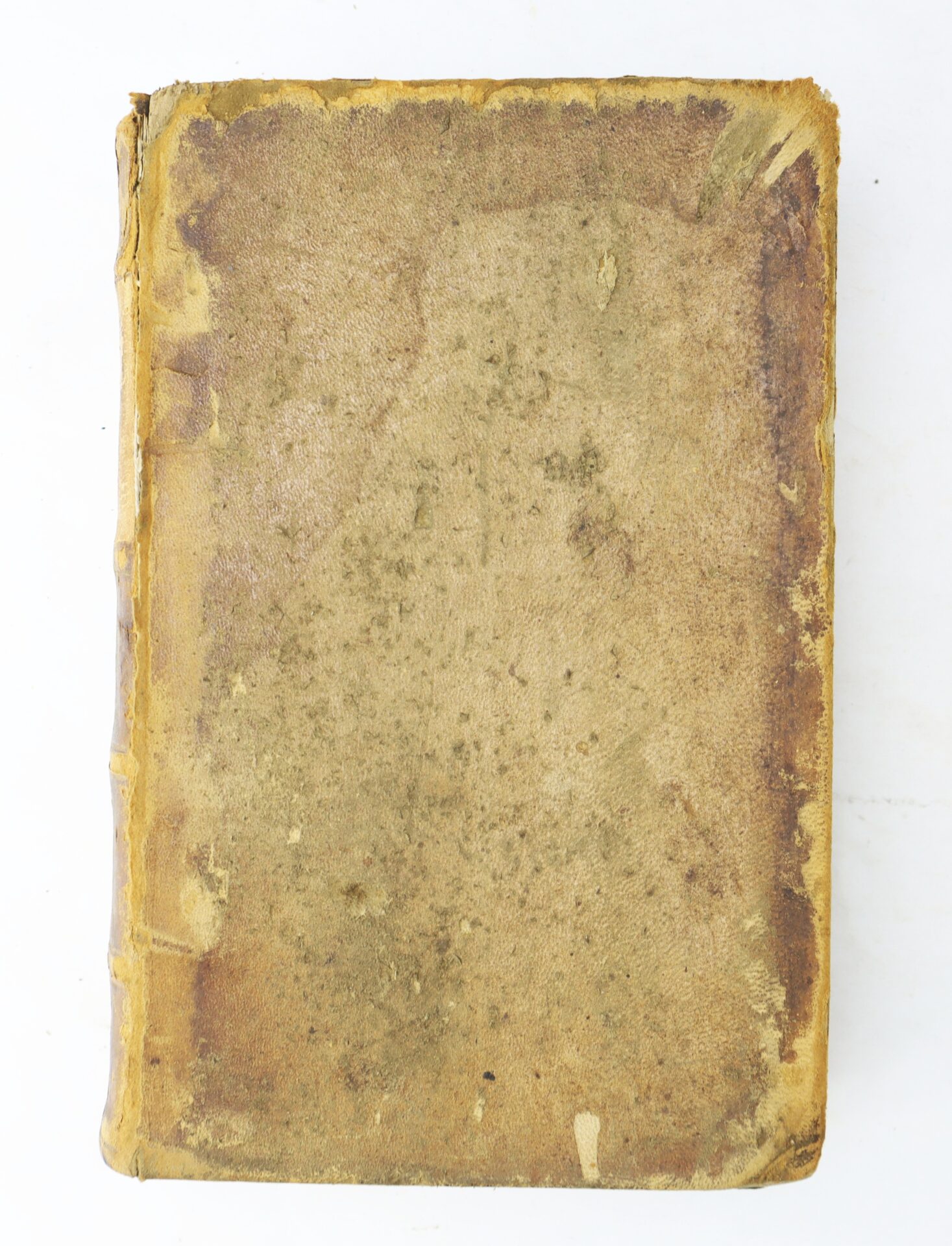
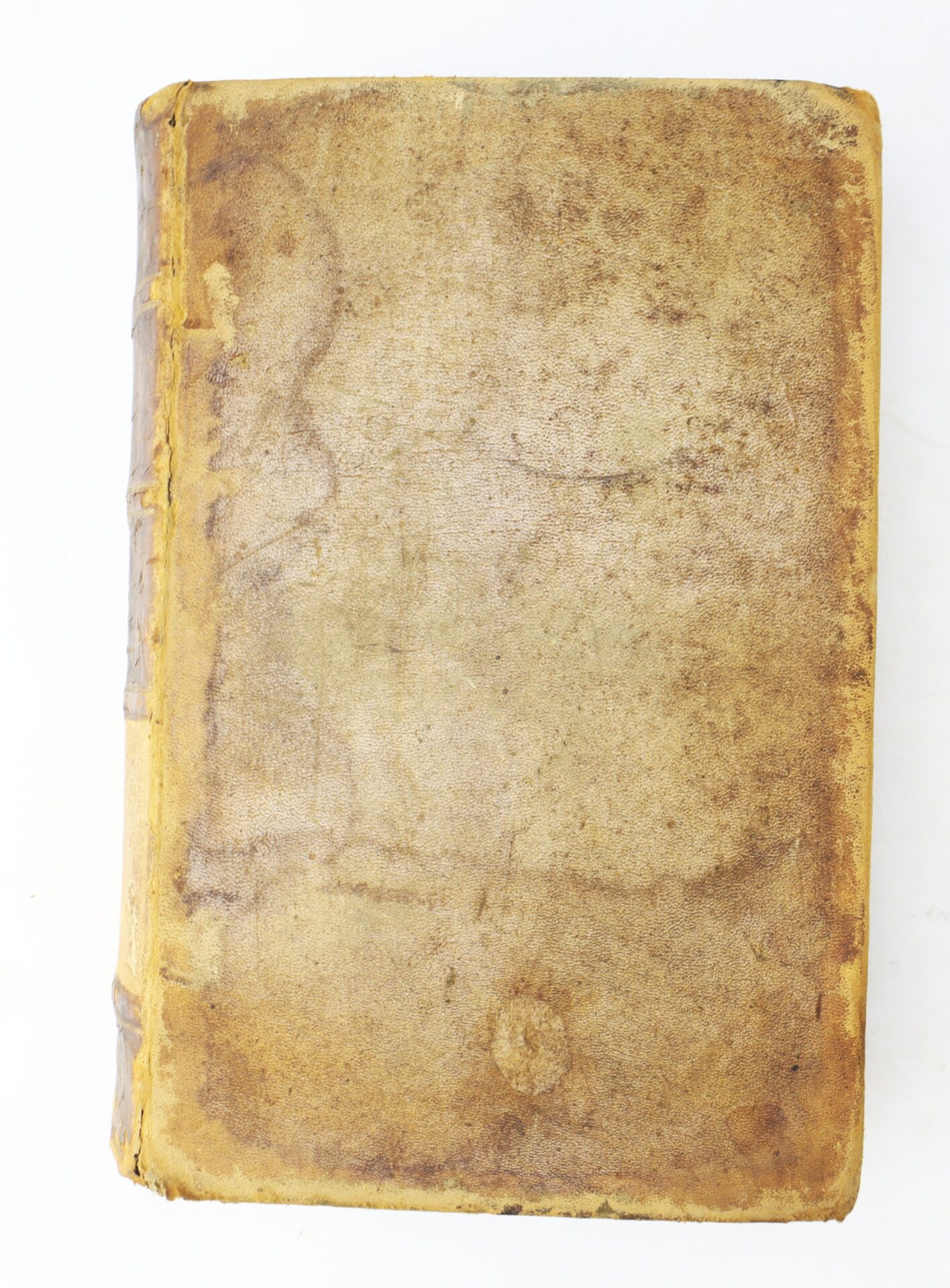
A classic and highly important Civil War era medical reference, being Samuel D. Gross’s A System of Surgery, Pathological, Diagnostic, Therapeutic and Operative, published in 1862 by Blanchard & Lea of Philadelphia. This landmark work served as one of the principal surgical authorities of the period and was widely consulted by Union surgeons throughout the war, particularly in the treatment of traumatic battlefield injuries.
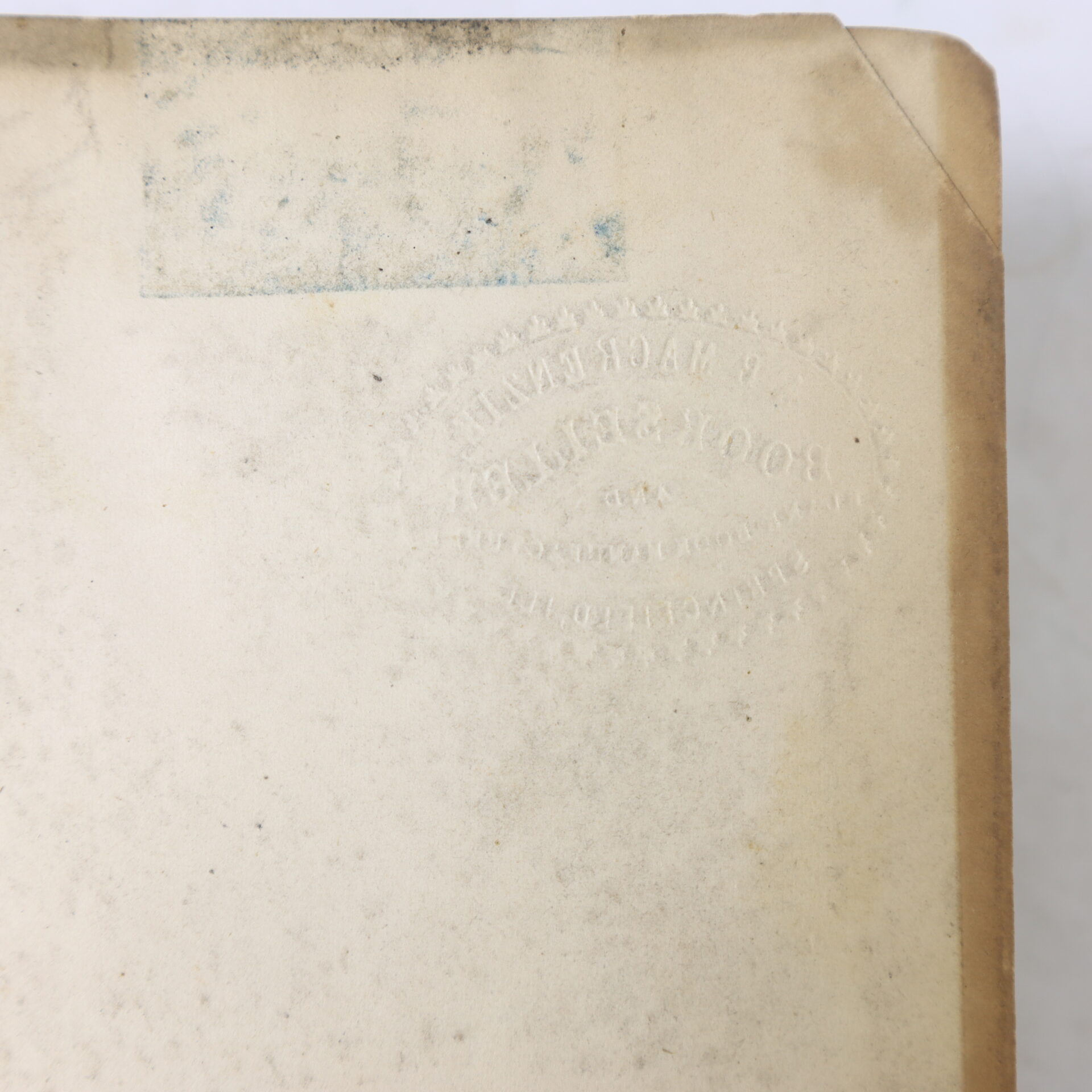
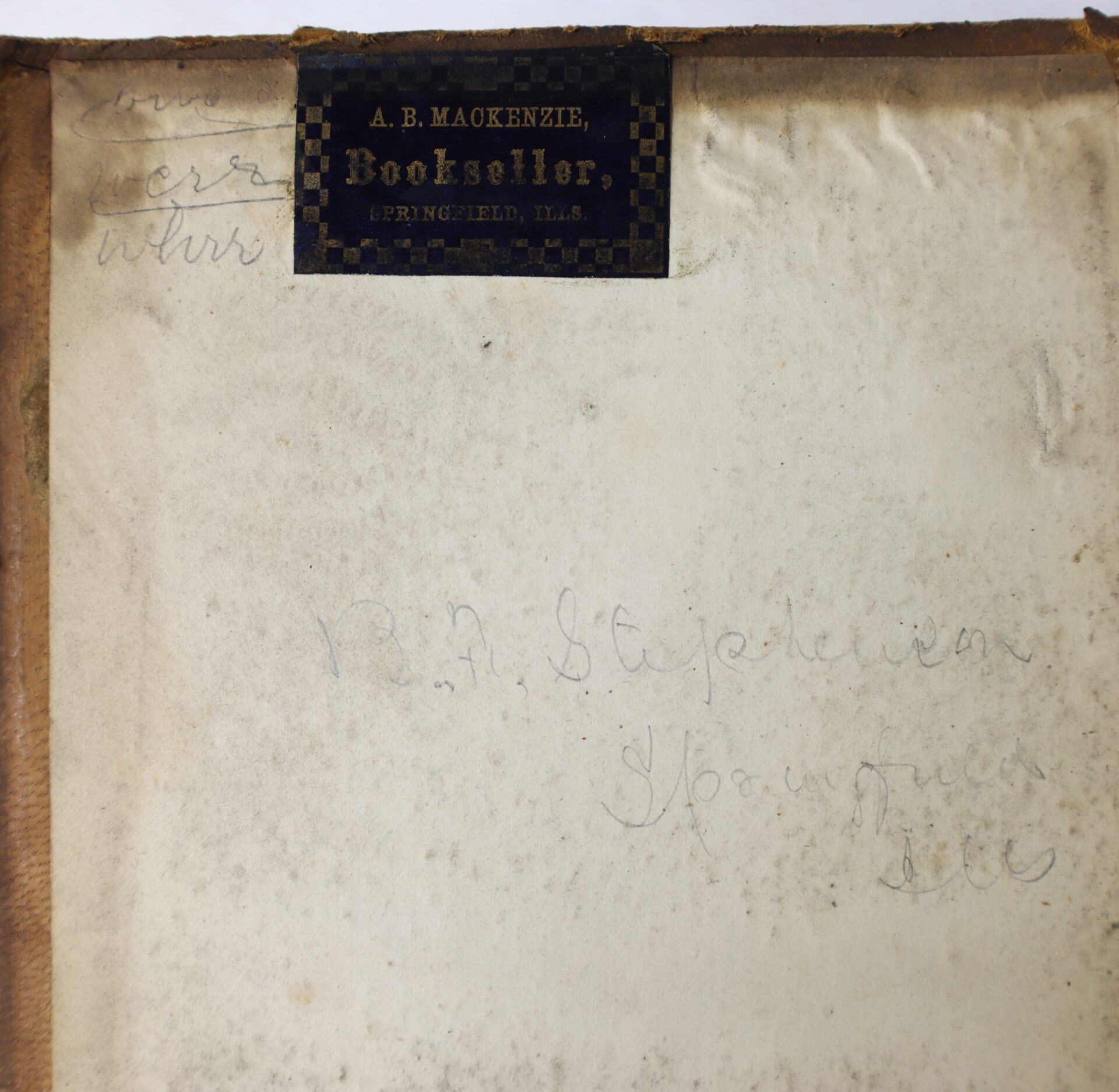
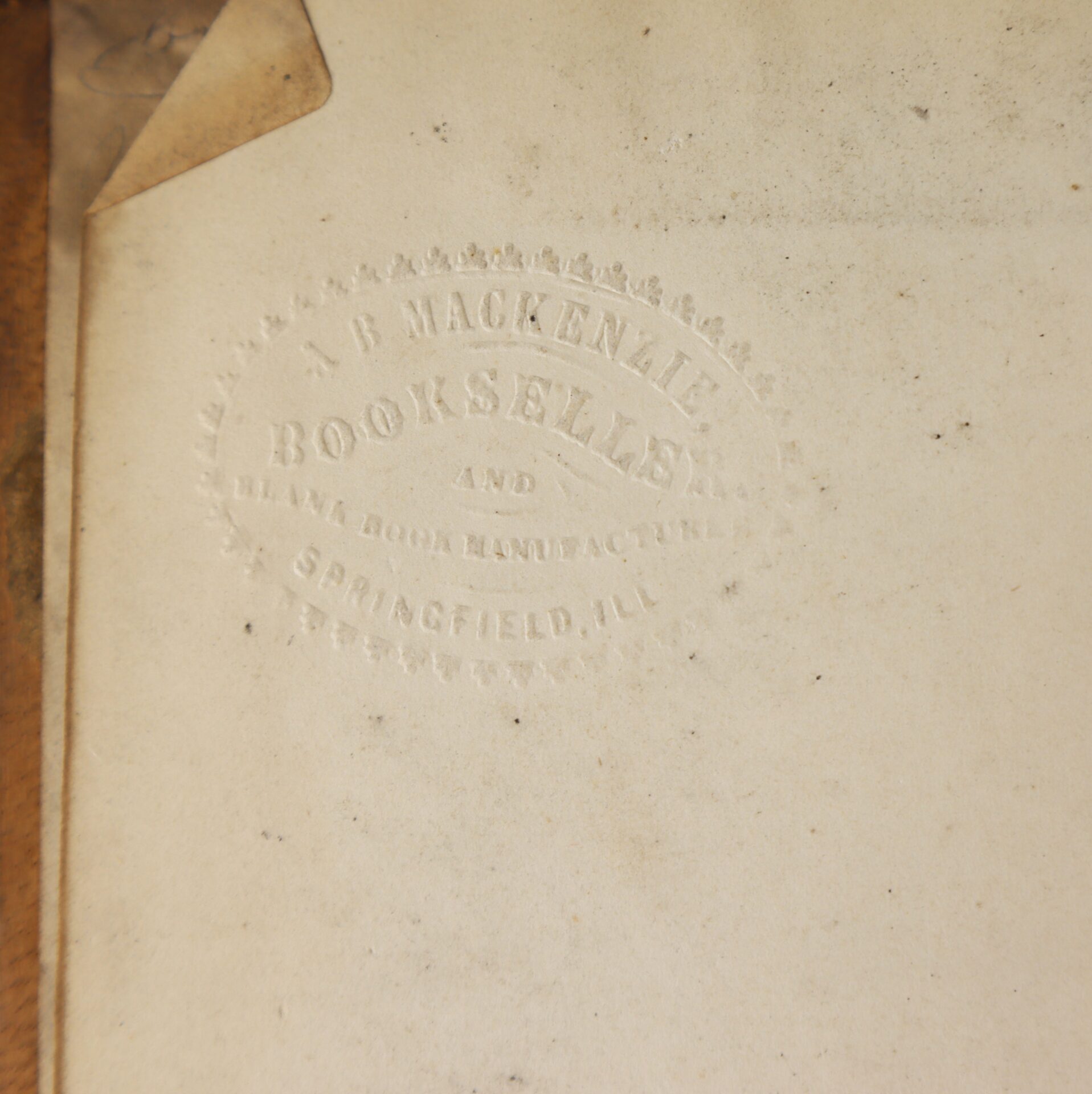
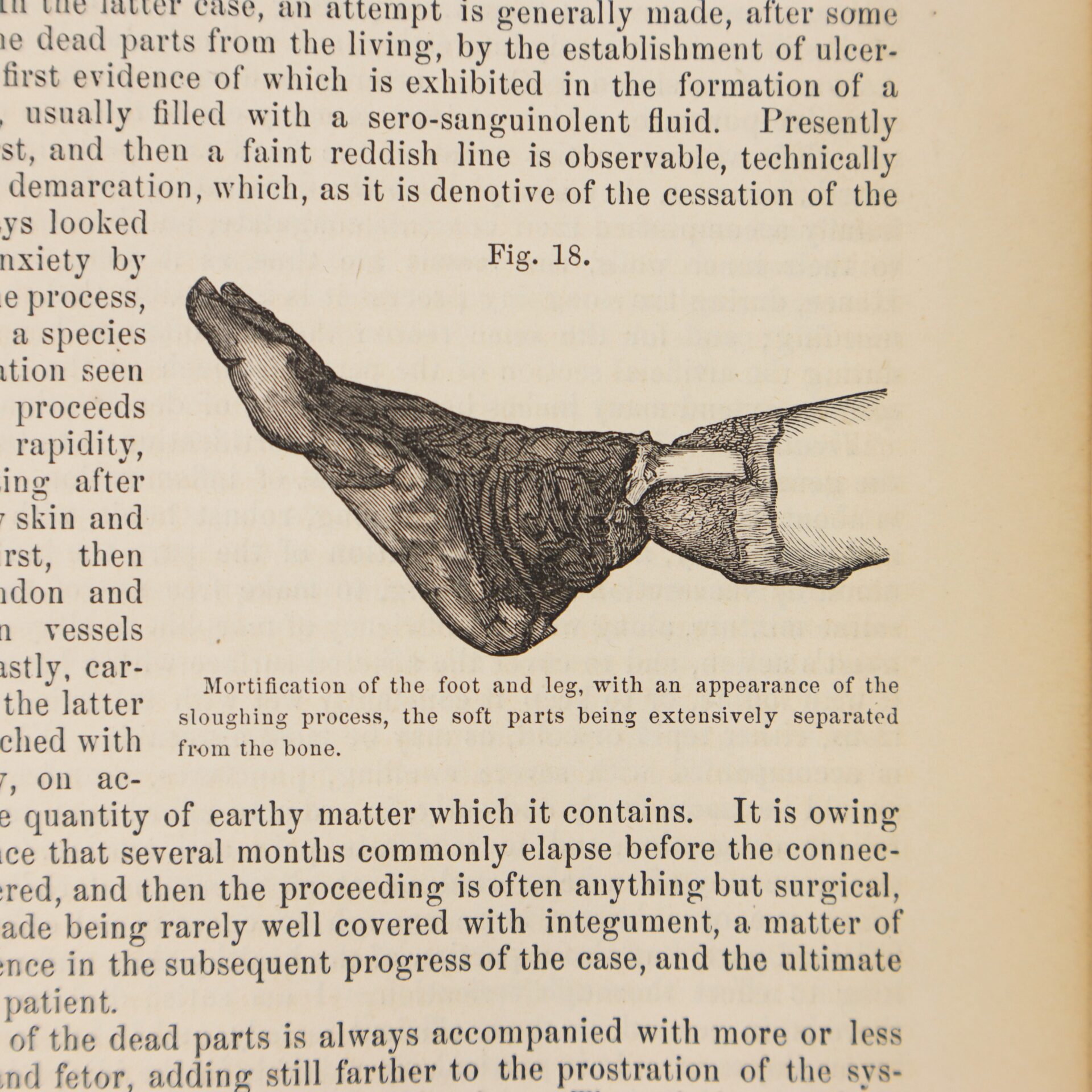
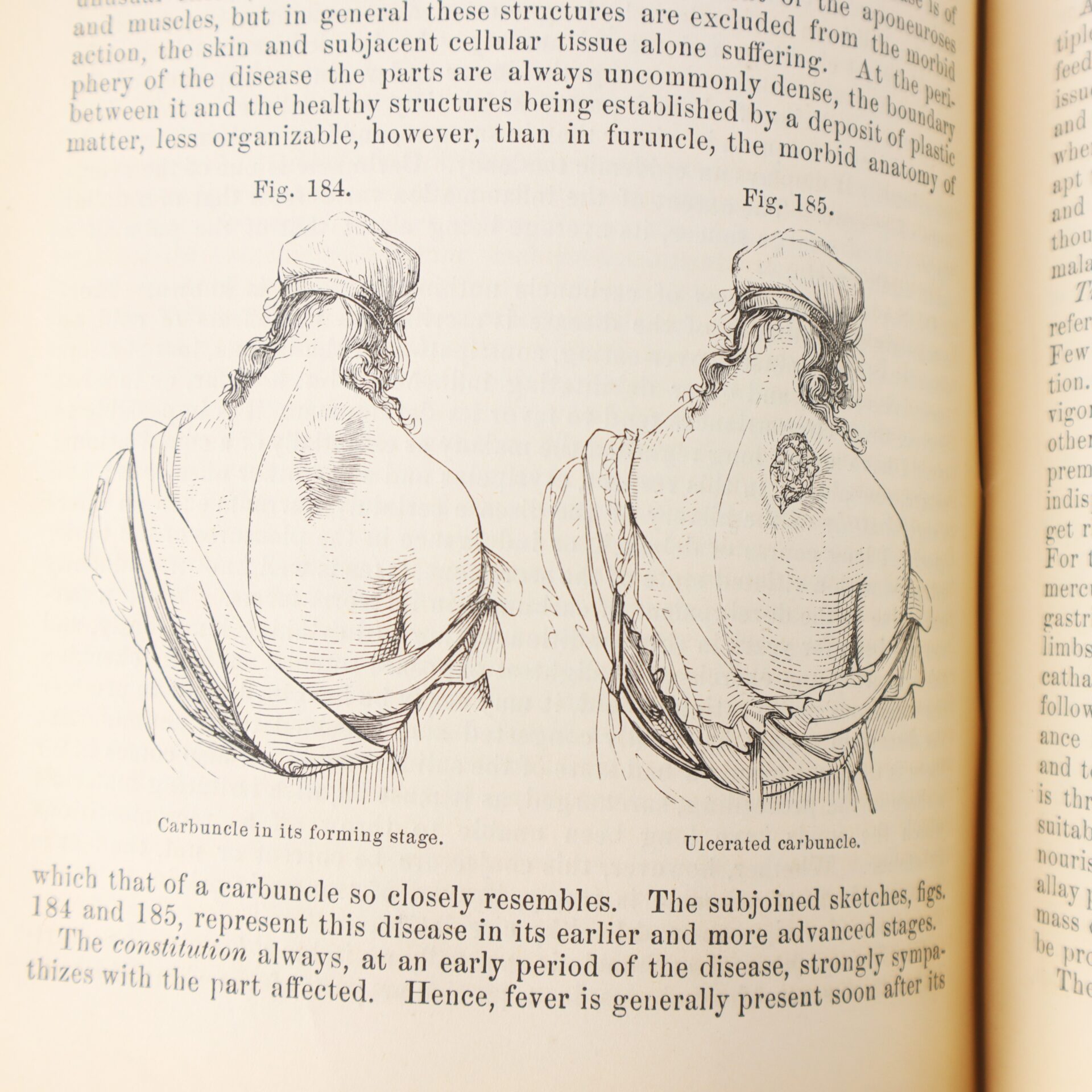
This example retains its original title pages and interior, including sections specifically addressing “Gunshot Wounds,” offering direct insight into the medical realities faced during the conflict. The volume bears period handwritten notations to the title page, the internal section is filled with graphic depictions of procedures and implements. Of particular interest is the surviving bookseller’s label for A.B. Mackenzie, Bookseller of Springfield, Massachusetts, firmly placing the volume within Abraham Lincoln’s hometown.
The book presents with honest age and use, consistent with a working medical text of the Civil War era. Gross’s System of Surgery is widely regarded as one of the most influential American surgical texts of the 19th century, making surviving wartime editions especially desirable to collectors of medical and Civil War material.
An important and evocative piece of Civil War medical history, directly tied to the treatment of soldiers in the field and hospital.
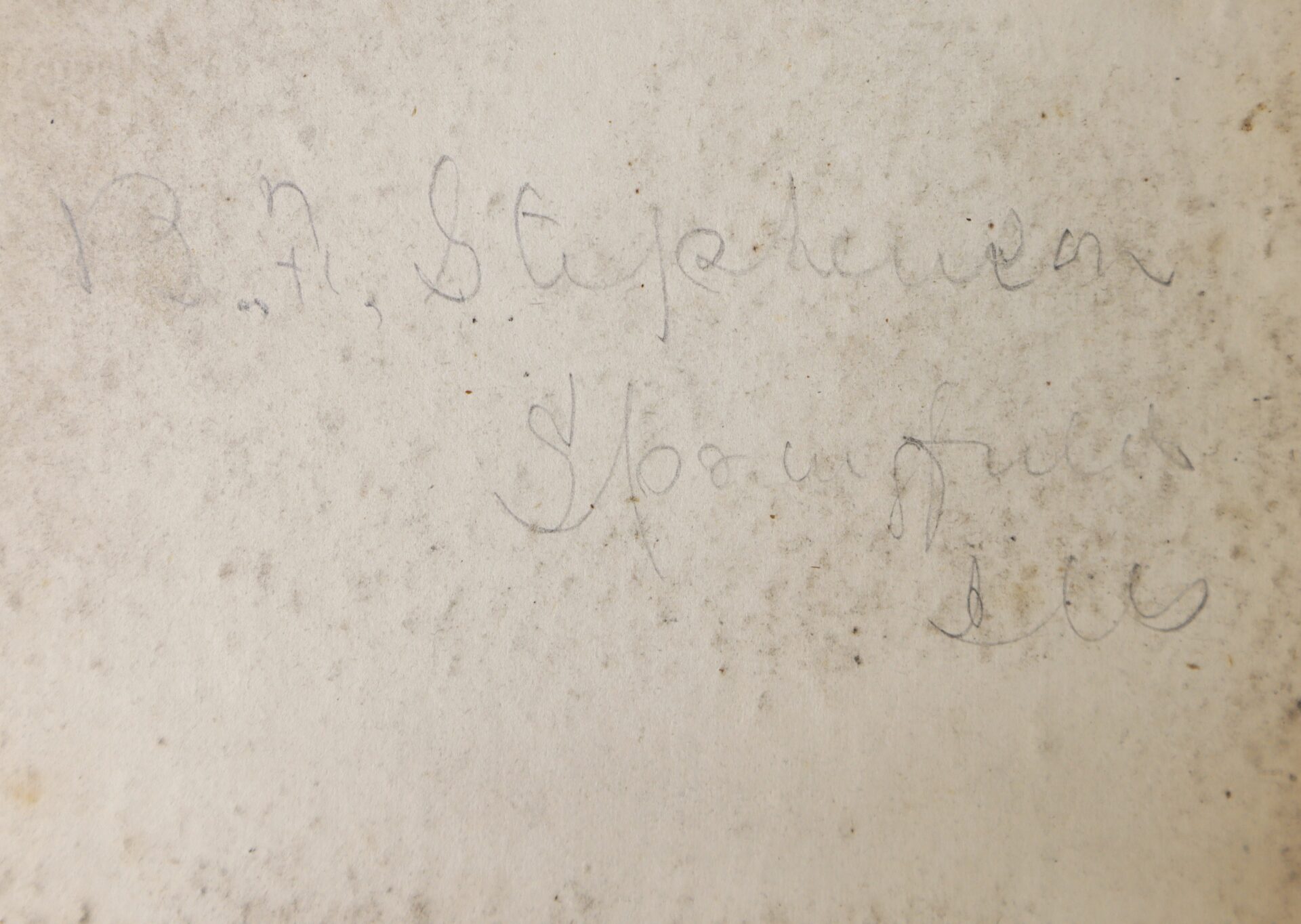
Dr. Benjamin F. Stephenson
Dr. Benjamin F. Stephenson, founder of the Grand Army of the Republic and provisional commander-in-chief, April 6, 1866 to November 21, 1866. Born in Wayne County, Ill, October 3, 1823, his father being a native of South Carolina and his mother a native of North Carolina. When he was about 3 years of age the family moved to Sagamon County. Here he received his early education and February 7, 1850, he given his diploma from Rush Medical College, Chicago. He then returned to the family home, a farm in Menard County, near Petersburg, Ill, and after a time began the practice of medicine in Petersburg. On the organization of the 14th Illinois Infantry he was elected surgeon of he regiment by the officers and enlisted men, but another doctor was commissioned. Later he was mustered in as surgeon of the 14th Illinois Infantry at Pittsburg Landing, April 7, 1862. He served with the regiment through all its campaigns as part of the Army of the Tennessee. As a result of his action at Shiloh he was commissioned major by Governor Yates. The 3 year term of the regiment expired June 24, 1864, and it was mustered out of service. He returned to Springfield, Ill., to resume the practice of medicine and became connected with a firm of druggists. During the service in the Army his tent mate and close companion was the chaplain of the regiment, Rev. W.J. Rutledge, a native of Virginia. They often discussed what would be the future of the men and boys in the Union Armies after the war and from these talks came the foundation for the organization of the Grand Army of the Republic.
While Dr. Stephenson worked in the drugstore he never lost an opportunity to discuss with former soldiers the possibility of a society to bind them closer together, and so as a result of these efforts on April 6, 1866, in Decatur, Ill, there was formed post No. 1 of the Grand Army of the Republic with 12 charter members. Dr. Stephenson then worked enthusiastically to promote the formation of more posts, often neglecting his own personal interests. Then came one disappointment after another, for the first departmental encampment called in Springfield, Ill, in July 1866, another was elected department commander, an honor which should have gone to Dr. Stephenson. Again at the first national encampment held in Indianapolis, Ind., in 1866 he expected to be chosen commander-in-chief, but had to see his friend General Hurlbut chosen instead. He was, however, appointed adjutant general and the work of the organization became uppermost in his mind. He died at Rock Creek, Menard County, Ill, August 30, 1871, in the 48th year and was buried in the cemetery there. August 29, 1882, the body was removed to the Soldiers Plot in Rose Hill Cemetery, Petersburg, Ill, where a beautiful monument has been erected by public subscription to the founder of the Grand Army of the Republic. Estill Post No. 71, GAR of Petersburg, conducted the burial service of the Grand Army ritual. Judge James A. Matheny, the orator, summed up the life of Dr. Stephenson in following words:
- Success in life is one of the earth’s strangest mysteries. To some it come unheralded and unsought for and in too many instances undeserved. Others labor for it and labor ever in vain, dying with every aspiration unsatisfied and every reasonable hope unfulfilled. So died our comrade. The law of compensation pervades all nature. In obedience to that law we have come, even at this late day, to do honor to our departed comrade.
Source: Final Journal of the Grand Army of the Republic, pages 33-34, 1957 by Cora Gillis, Past National President, Daughters of Union Veterans of the Civil War, 1861-1865 and last national secretary of the Grand Army of Republic.
Inventory Number: MED 325


Reviews
There are no reviews yet.