
P. & E. W. Blake New Haven Model 1816 Conversion / SOLD
$0.00
Description
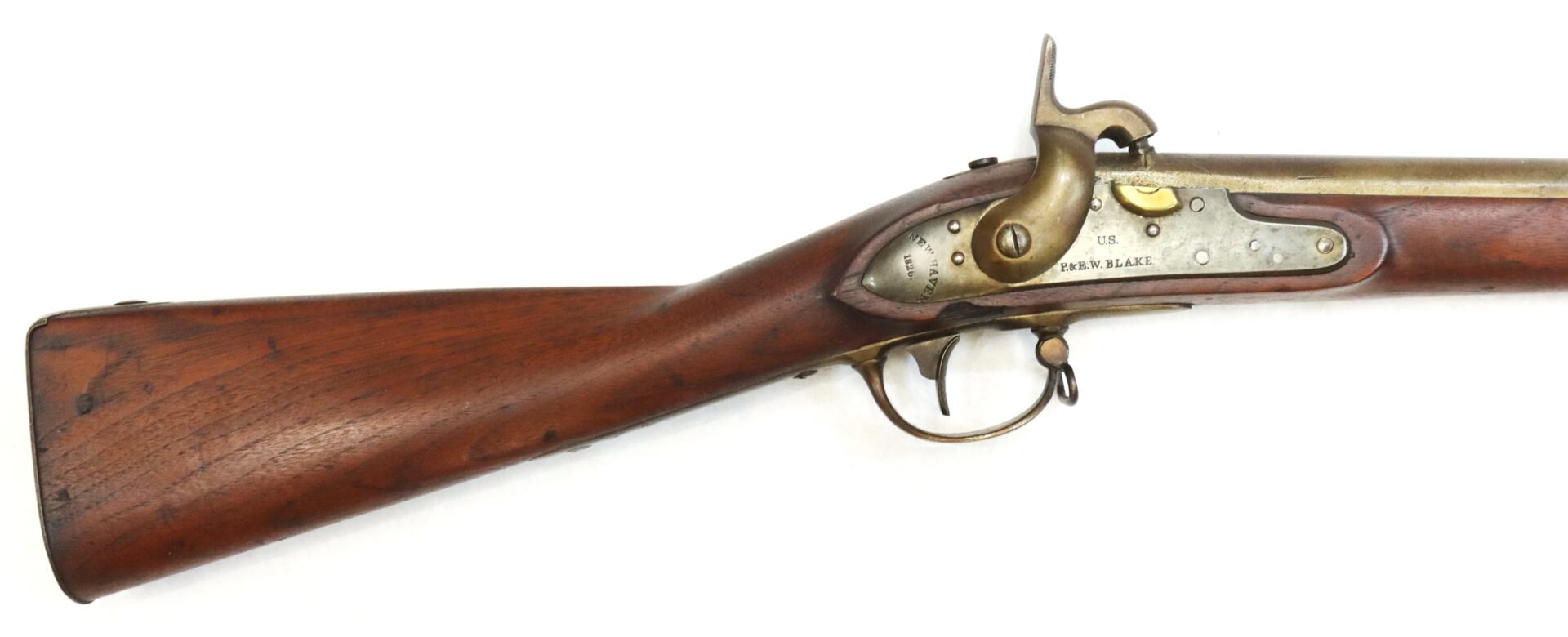
P. & E. W. Blake New Haven Model 1816 Conversion
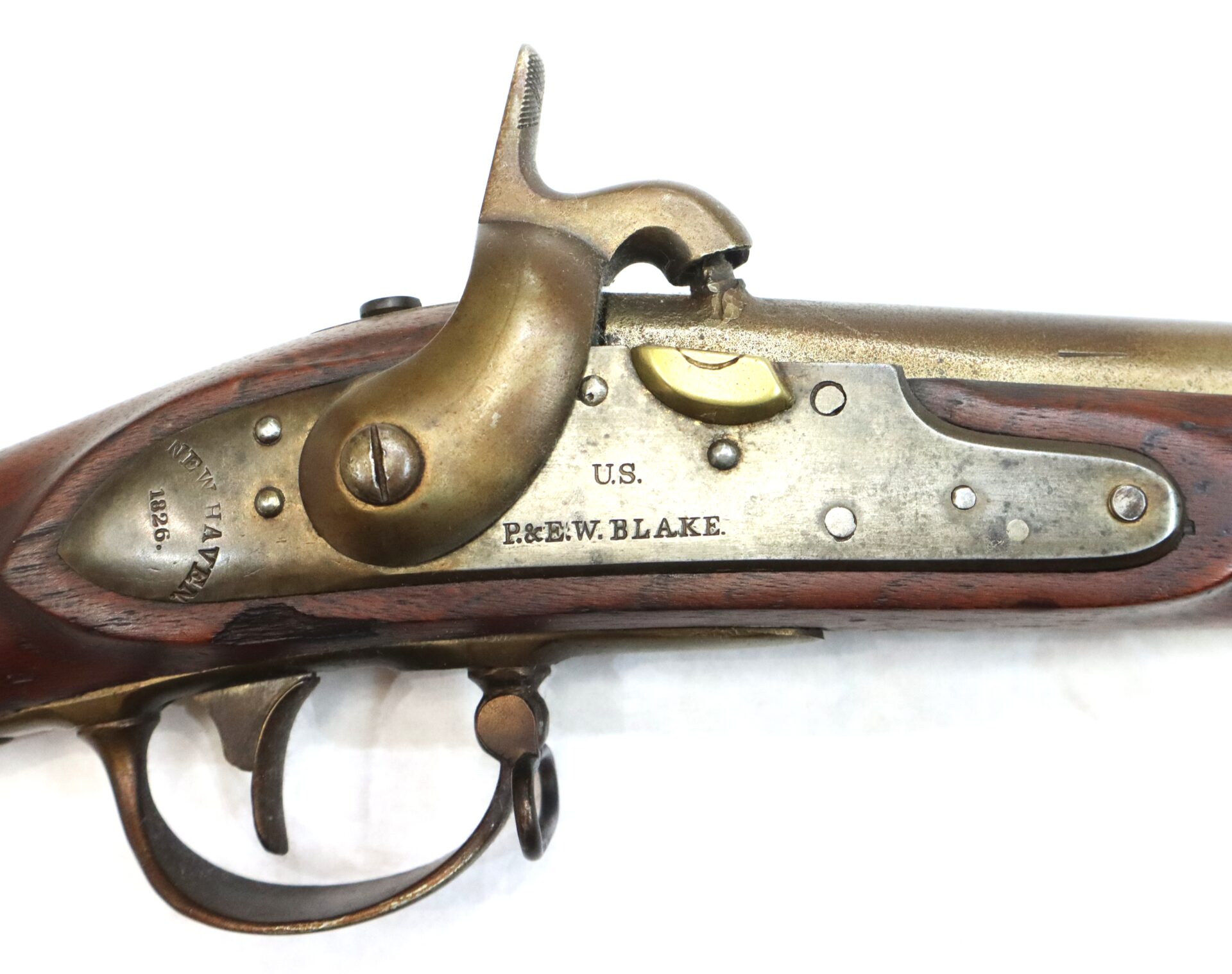
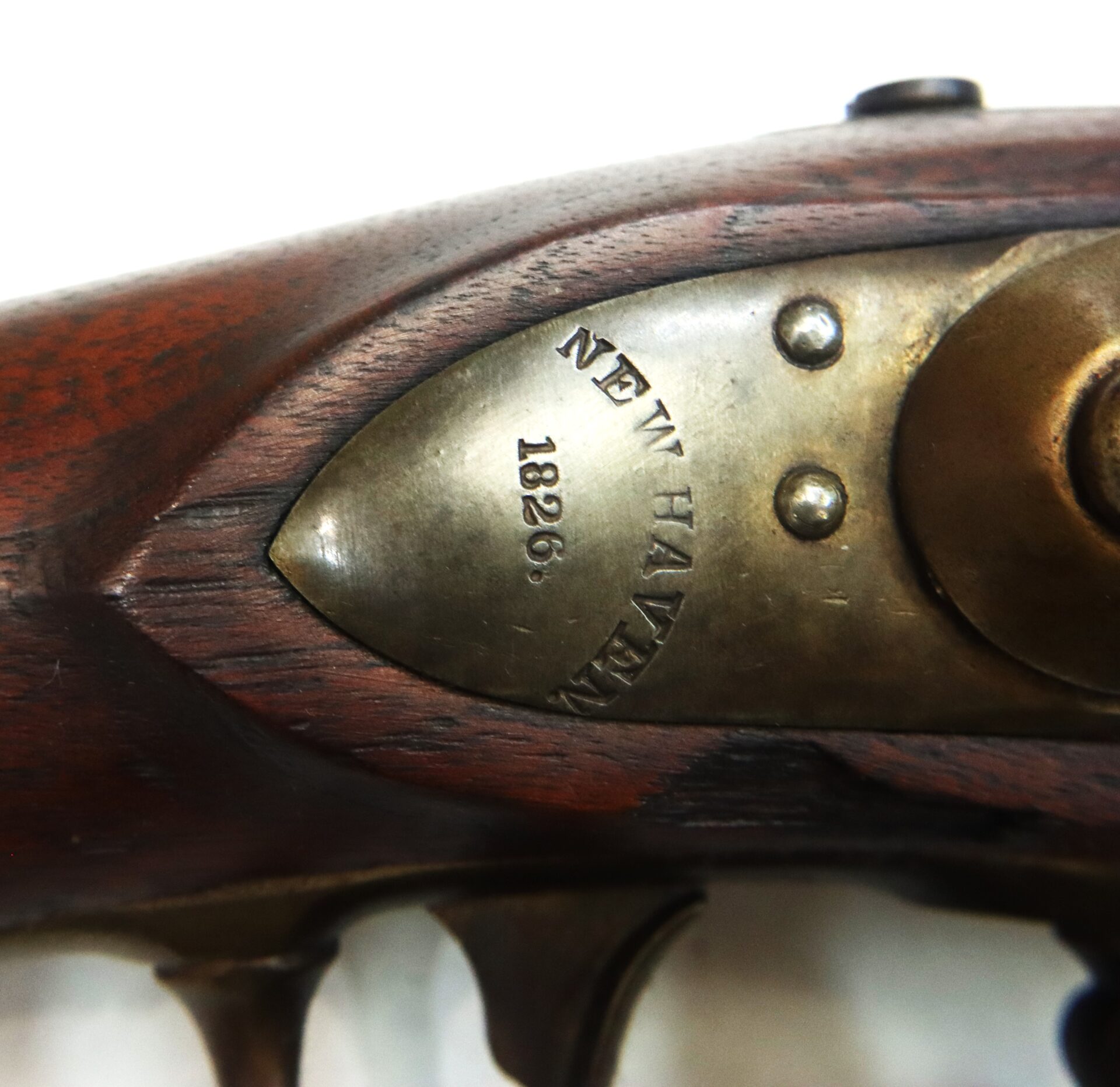
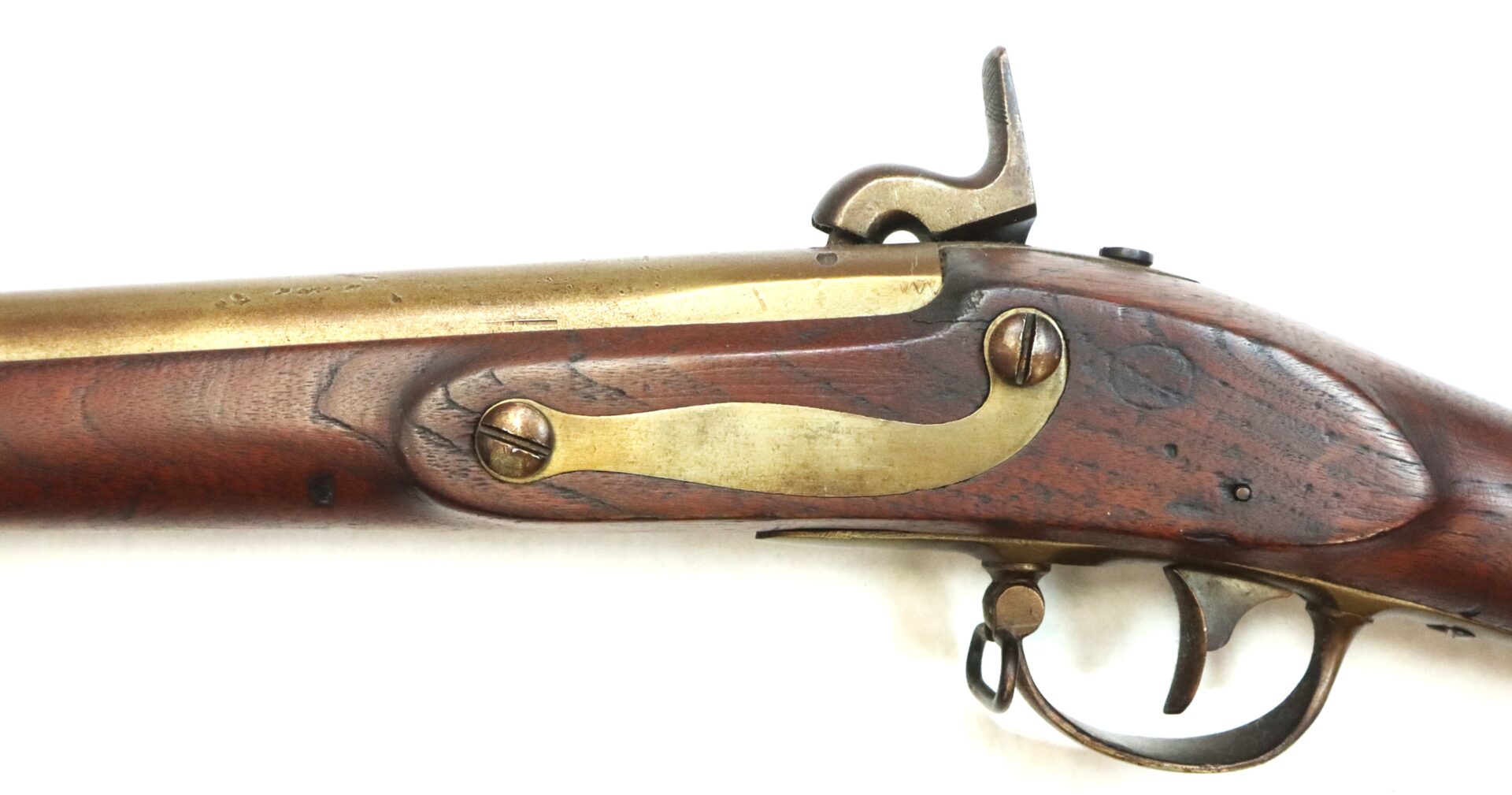
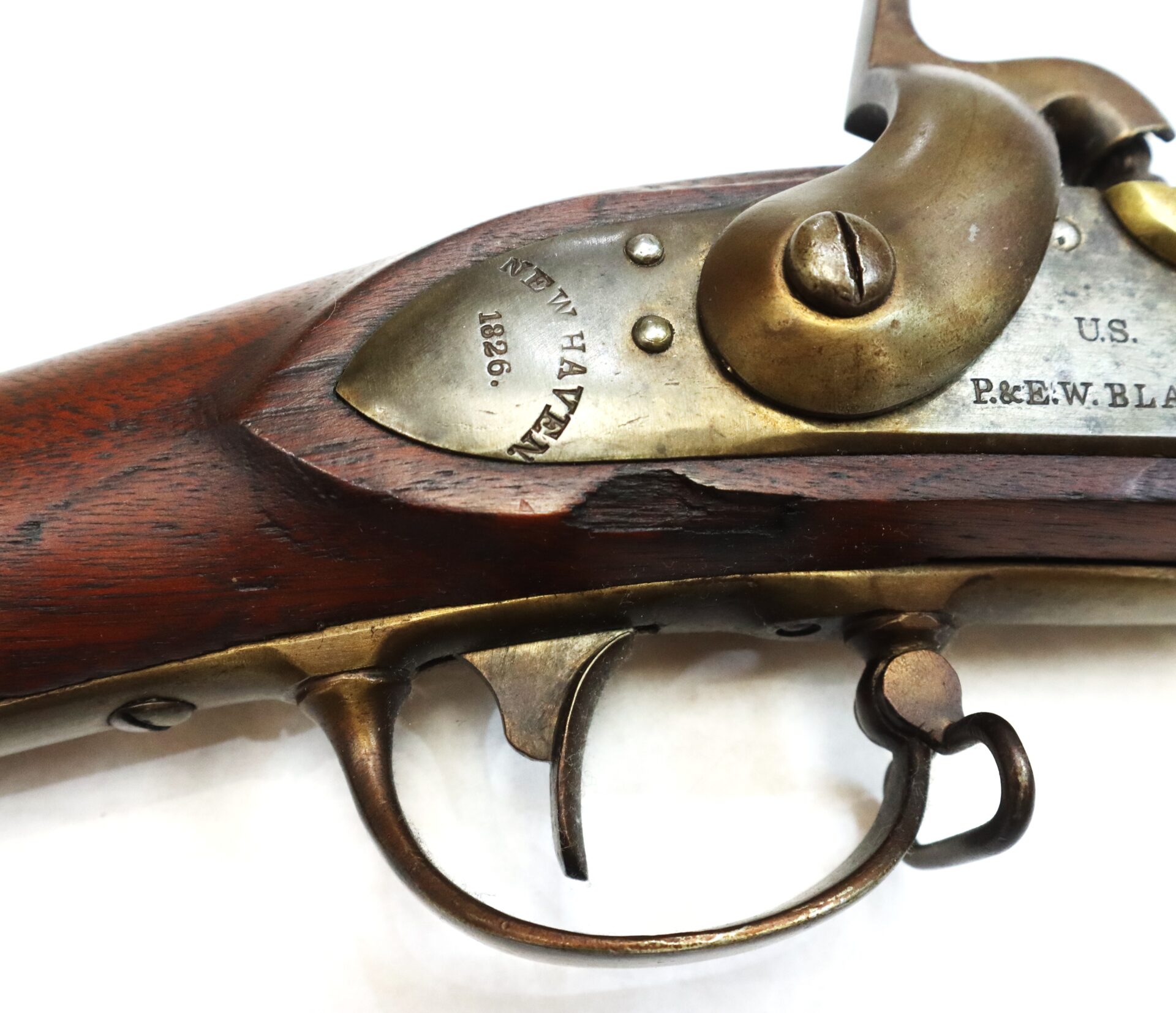
Model 1816 musket converted to percussion using the cone‑in‑barrel alteration system. The lock is marked U.S. P. & E. W. Blake with New Haven and dated 1826 at the rear.
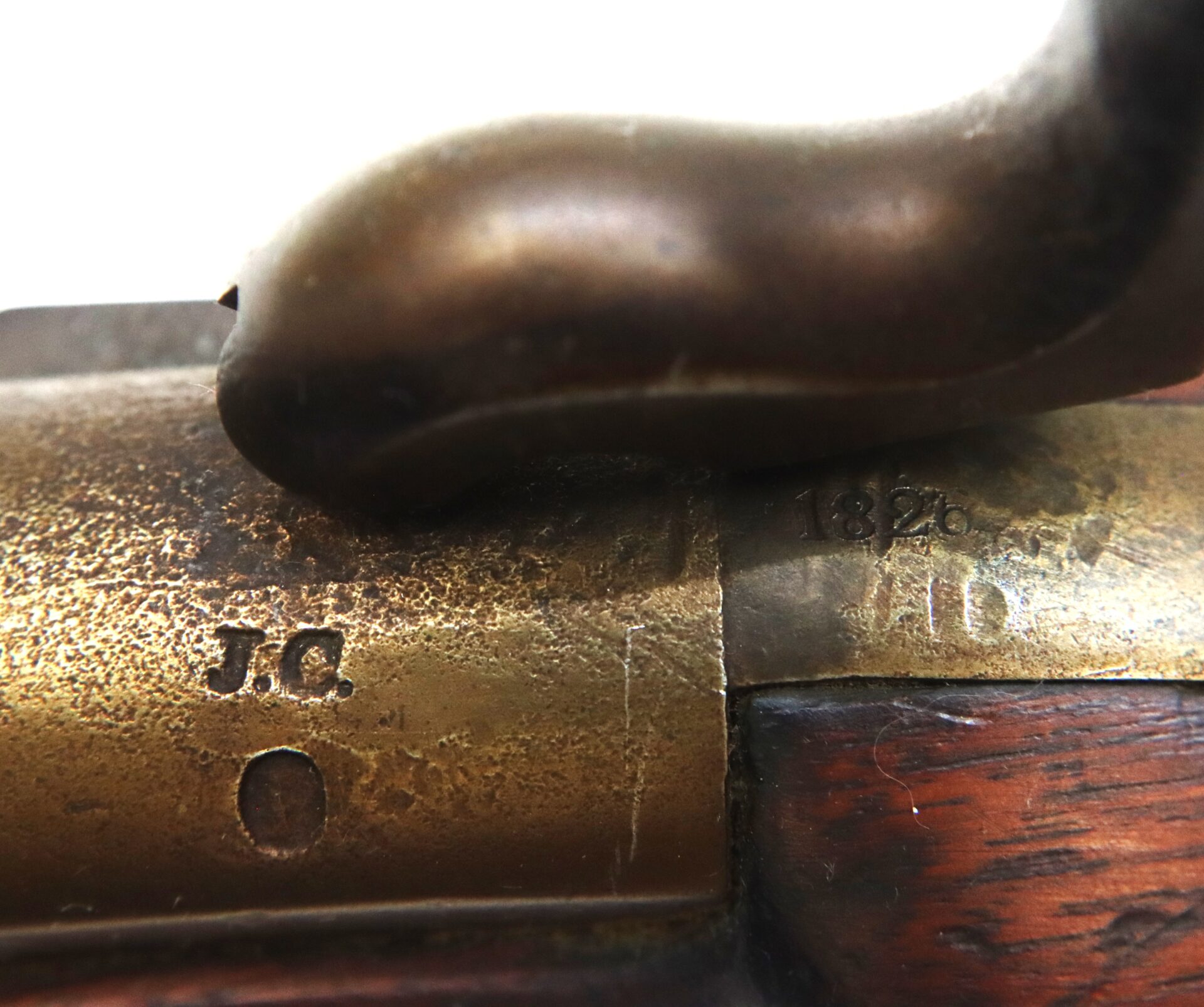
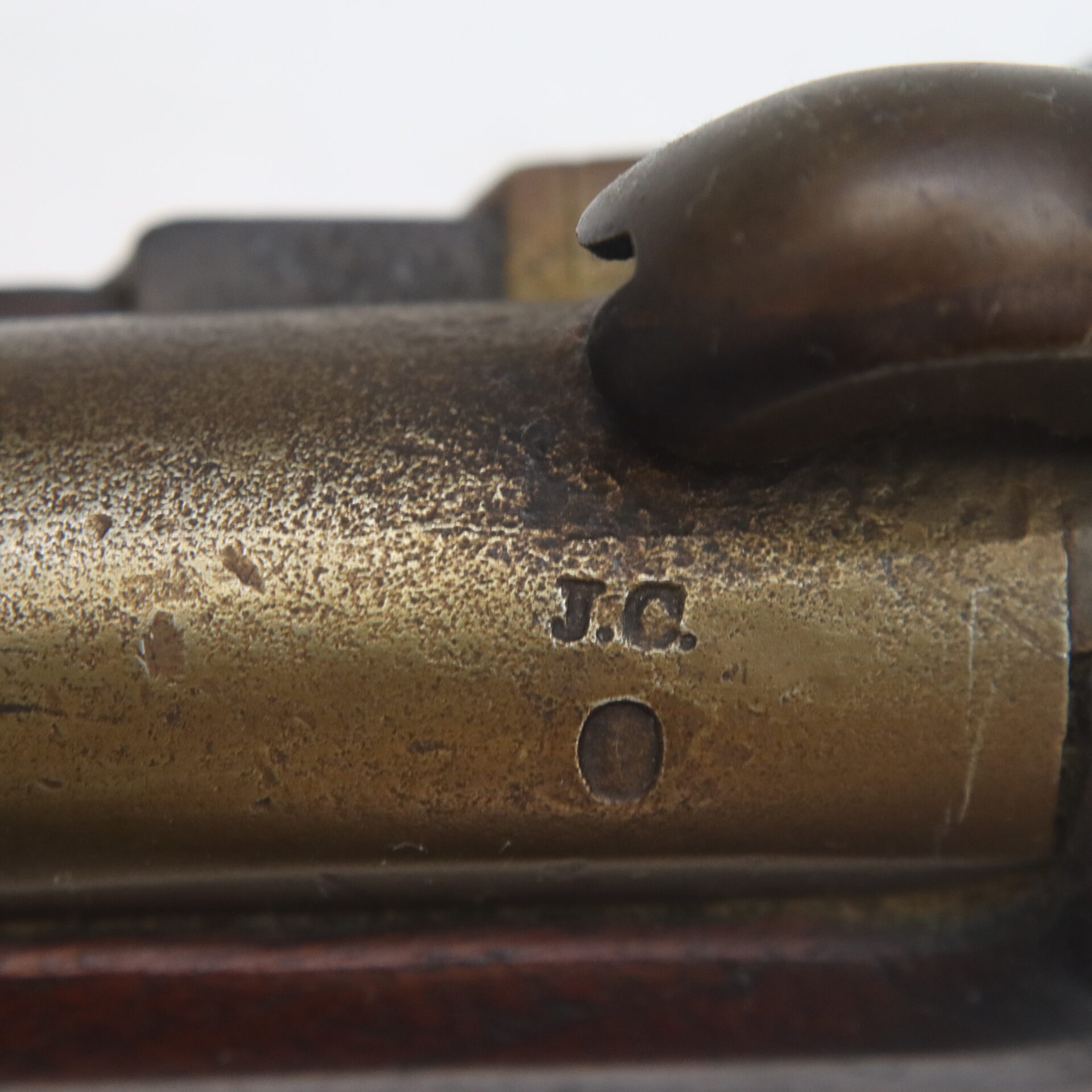
The steel surfaces display a gray patina with traces of dried oil that have yellowed with age. The barrel tang is stamped 1826 and the breech bears inspector initials J.C. along with a “P” proof mark in an oval.
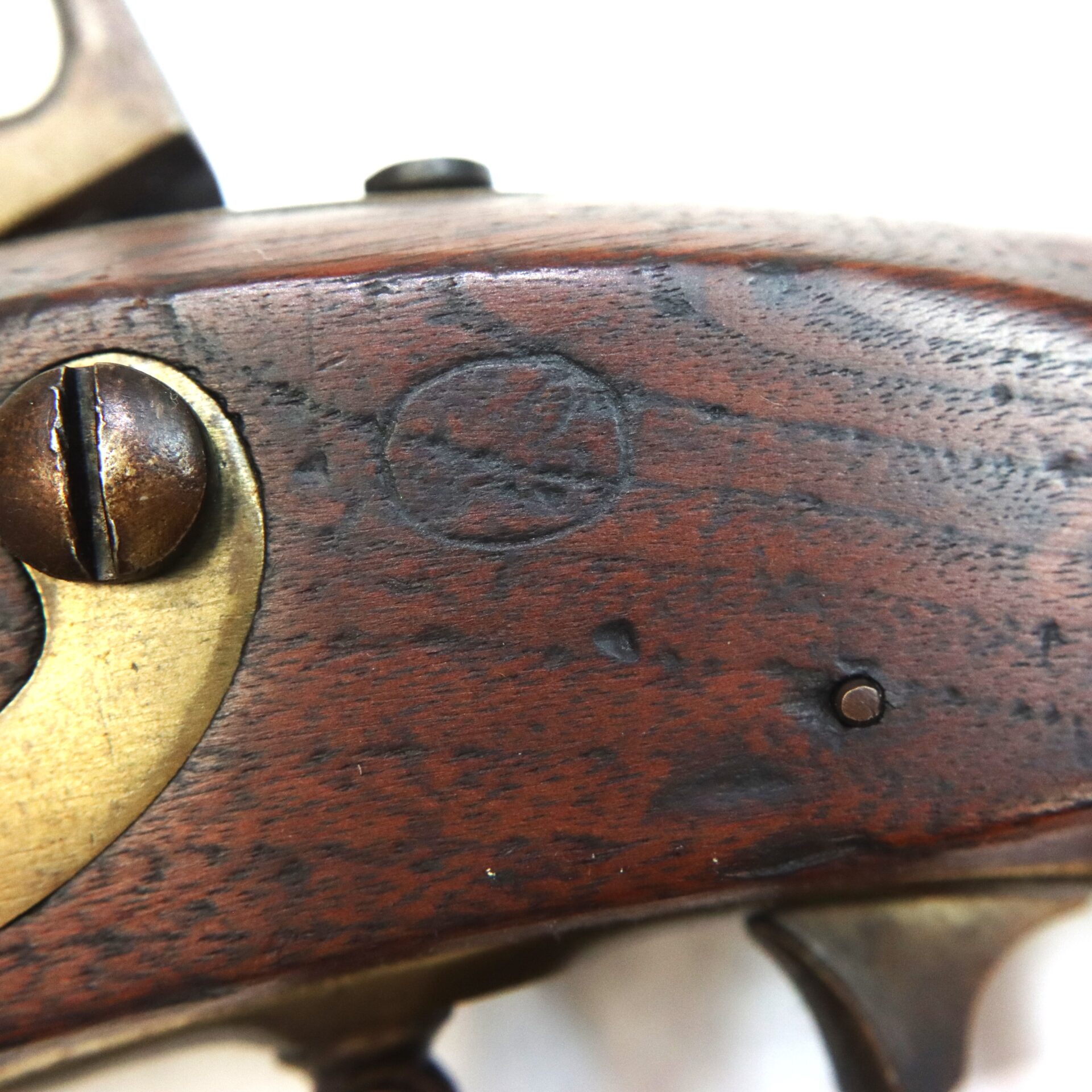
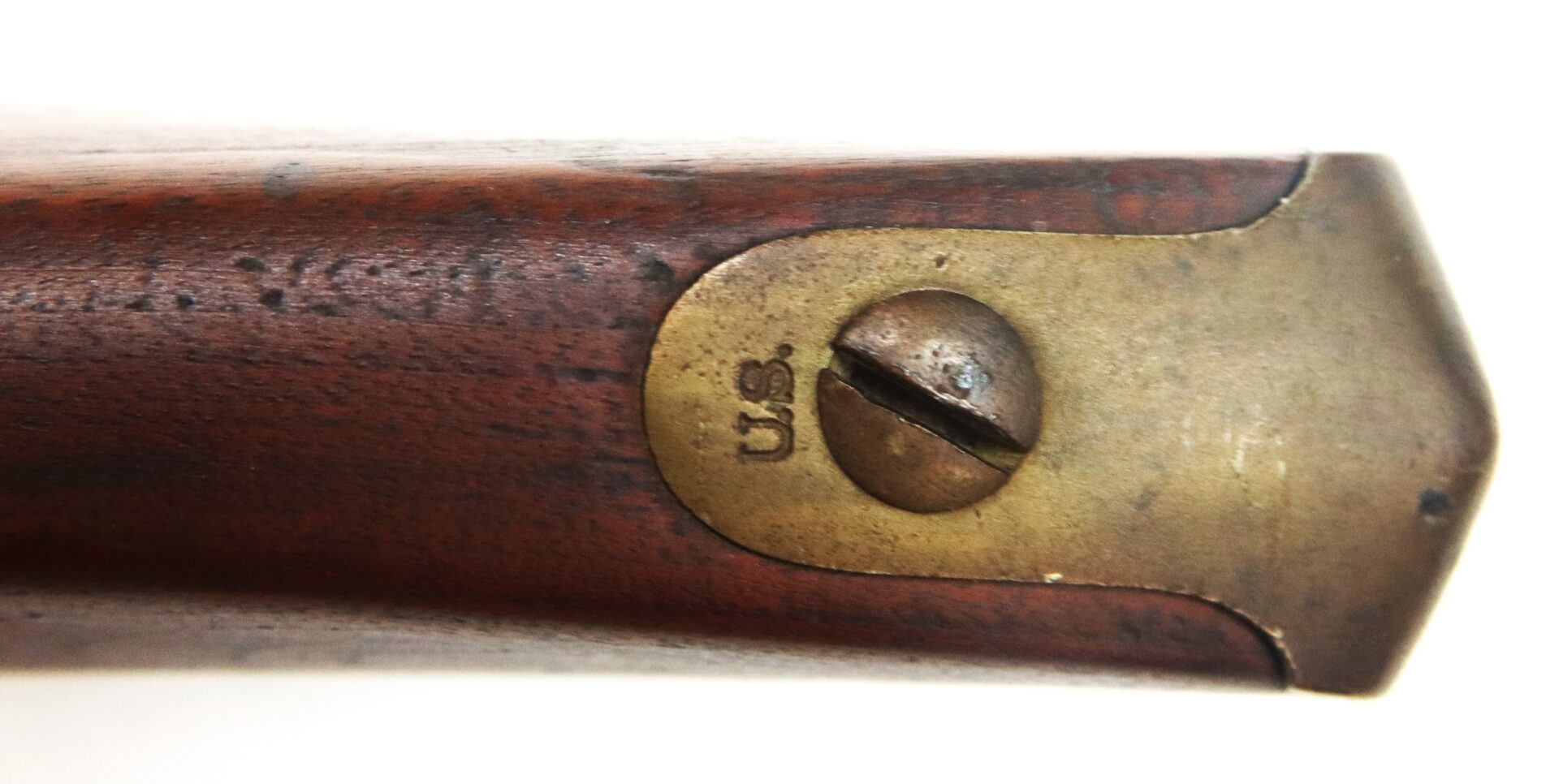
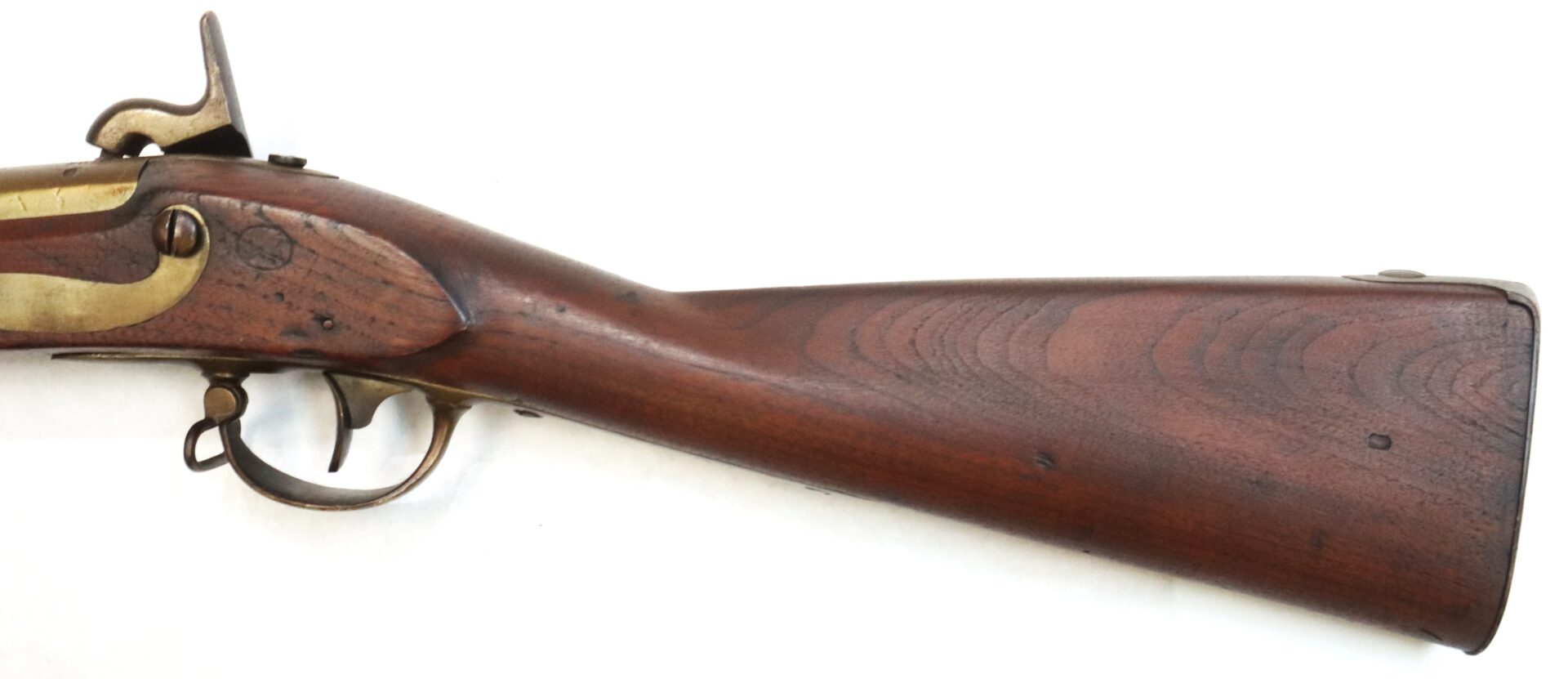
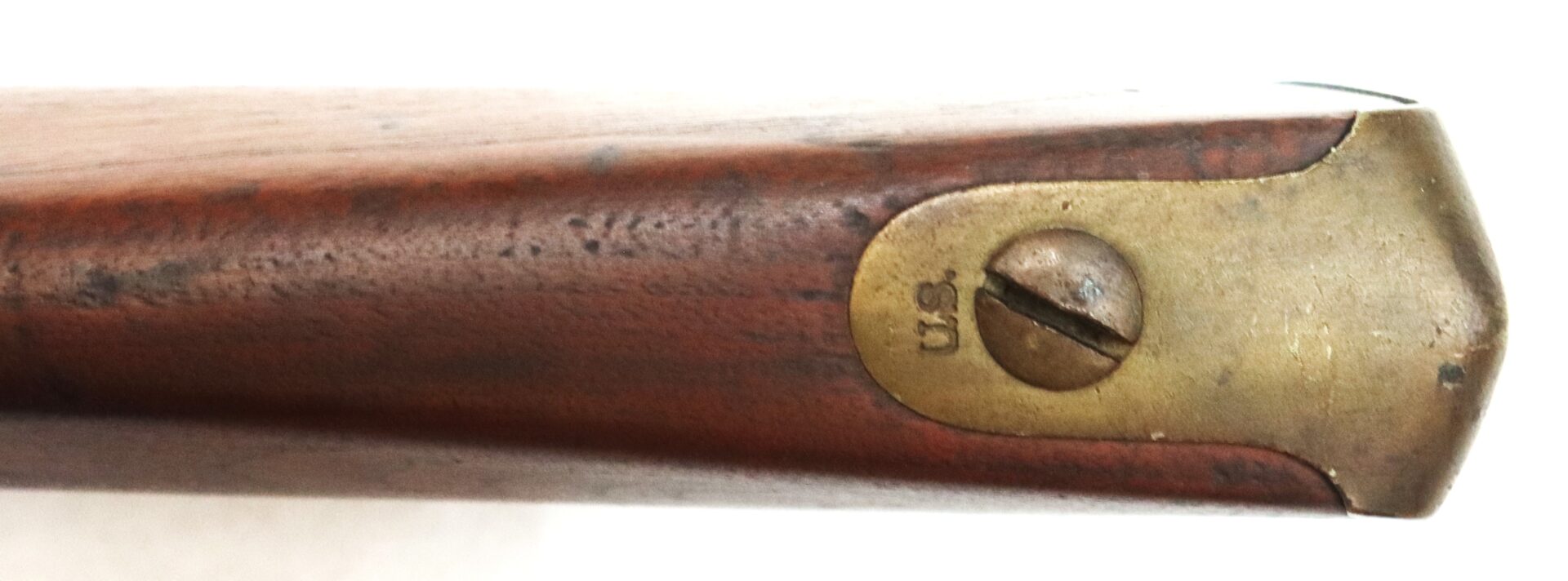
The U.S. stamping on the buttplate remains clear. An oval inspector’s cartouche appears on the left side of the stock behind the side plate and the initials “J.A.” are stamped in the underside of the stock behind the trigger guard.
A small area of wood has been removed beneath the rear of the lockplate though it does not detract from the overall appearance of the piece. Both sling swivels remain intact and the musket retains its button‑tipped ramrod. Overall a fine and well‑preserved example of a Model 1816 percussion conversion.
Converted Model 1816 muskets were among the most common stop-gap arms of the 1840s through early Civil War period. Originally produced as flintlocks, they were modernized through cone-in-barrel, side-bolster, or braised-bolster systems in order to extend their useful life after percussion ignition superseded the flint mechanism. These conversions are historically significant because they document the long service life of early U.S. military arms and the enormous demand for shoulder weapons in both state and national service.
Inventory Number: RIF 336







Reviews
There are no reviews yet.